

Unleash Your Culinary Genius: Discover the Ultimate Hood Fans for Gas Stoves!
In the heart of every home, the kitchen serves as a gathering space, a creative outlet, and the site of countless meals shared with family and friends. Whether you’re sautéing vegetables or simmering a rich sauce, having a reliable hood fan becomes essential, particularly when using gas stoves. The right hood fan not only enhances your cooking experience but also maintains a clean and healthy kitchen environment by effectively managing smoke, odors, and excess heat. In this article, we will delve into the features and benefits of hood fans optimized for gas stoves and offer valuable installation tips to ensure you make the best choice for your culinary haven.
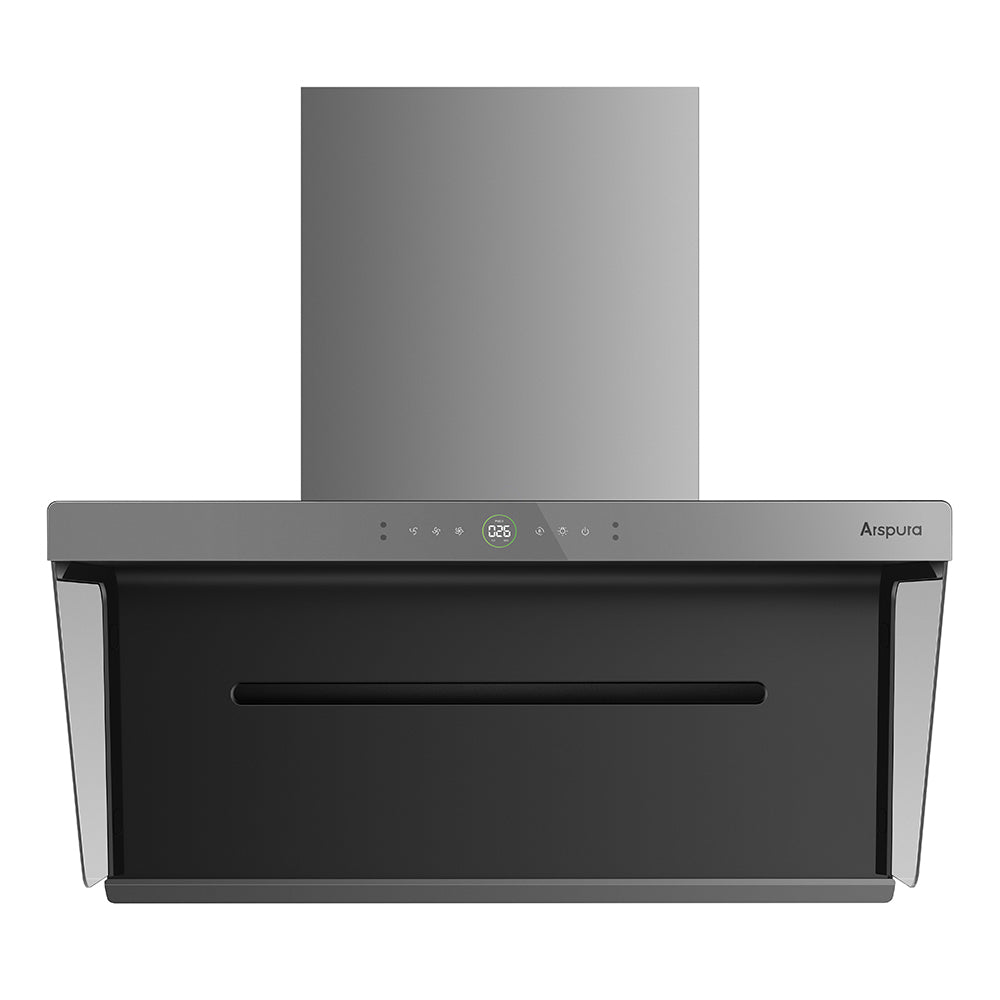
Understanding Hood Fans: What They Are and How They Work
Hood fans, also known as range hoods or exhaust hoods, are essential appliances designed to ventilate kitchens by removing smoke, steam, and airborne grease generated during cooking. For gas stoves, effective ventilation is particularly crucial, as they produce more heat and emissions than electric stoves. These fans operate by pulling air from the cooking area, filtering it, and either recirculating it back into the kitchen or expelling it outdoors through ducting. There are various types of hood fans available, including wall-mounted, under-cabinet, island, and downdraft models. Each type has its own advantages and is suited for different kitchen layouts and personal preferences.
Key Features to Look for in Hood Fans for Gas Stoves
When selecting a hood fan for your gas stove, several key features should be considered to ensure optimal performance. First and foremost is suction power, typically measured in cubic feet per minute (CFM). A higher CFM indicates a stronger fan, essential for effectively removing heat and odors. Noise level is another important consideration; quieter models are preferable, especially in open-concept spaces. Additionally, the design should complement your kitchen's aesthetic, whether you prefer a sleek modern look or a more traditional style. Other valuable features include built-in lighting to illuminate your cooking area and grease filters that capture airborne particles, contributing to a cleaner kitchen environment. Some fans even come with smart technology, allowing for remote operation and monitoring.
Benefits of Installing a Hood Fan with Your Gas Stove
The advantages of installing a hood fan with your gas stove extend far beyond mere aesthetics. Improved air quality is a significant benefit; by effectively removing smoke, steam, and cooking odors, you create a more pleasant atmosphere for both cooking and socializing. This is particularly important in homes where the kitchen serves as a central gathering space. Additionally, hood fans play a crucial role in reducing grease buildup on surfaces, which can lead to more frequent cleaning and potential fire hazards. For my friend Jessica, who loves hosting dinner parties, investing in a high-quality hood fan transformed her cooking experience. She noticed that her kitchen felt fresher, and she could engage with her guests without the overpowering smell of food lingering in the air. Ultimately, a hood fan enhances not just hygiene but also the overall enjoyment of cooking.
Installation Tips for Hood Fans
Installing a hood fan may seem daunting, but with proper guidance, it can be a manageable task. First, consider the placement of the fan; it should be installed at a height that allows for effective ventilation while maintaining functionality and accessibility. For gas stove installations, the fan should typically be mounted 24 to 30 inches above the cooking surface. Ducting options also require careful consideration; a straight duct run is most efficient, while elbows can reduce airflow. Safety precautions are paramount; ensure that the fan is properly grounded and that electrical connections are secure. While some homeowners may feel confident tackling the installation themselves, consulting a professional is advisable to guarantee optimal performance and adherence to local building codes.
Final Thoughts on Choosing the Right Hood Fan
Choosing the right hood fan for your gas stove is a pivotal decision that can significantly impact your cooking experience. From understanding how hood fans operate to recognizing the essential features and benefits they provide, it’s clear that investing in a quality model is worthwhile. Not only do hood fans enhance air quality and reduce odor, but they also contribute to a safer and more enjoyable kitchen environment. As you embark on your search for the perfect hood fan, keep these insights in mind to ensure your culinary space is as functional and inviting as possible.