
Unlocking the Secrets: Is It Time to Upgrade Your Breaker Box?
The breaker box, often an overlooked component in our homes, plays a crucial role in managing our electrical systems. It serves as the central hub that distributes electricity throughout the house, protecting circuits and appliances from overloads. However, like any other part of your home, breaker boxes have a lifespan and can become outdated. There are several signs that may indicate it’s time for a breaker box replacement, such as frequent tripping, age, or physical damage. Upgrading an old breaker box can significantly enhance safety, increase energy efficiency, and provide peace of mind. In this article, we will explore when and how to replace your breaker box, ensuring your home remains a safe haven.
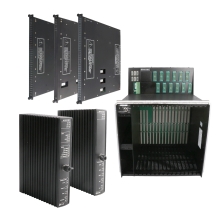
Understanding Breaker Boxes
A breaker box, also known as an electrical panel or distribution board, is a key element of your home's electrical system. Its primary function is to house circuit breakers that protect your home from overloads and short circuits. There are various types of breaker boxes, including main breaker panels, subpanels, and smart panels. Main breaker panels are equipped with a single breaker that can shut off the entire electrical supply, while subpanels allow for additional circuit management in larger homes. Smart panels can even provide real-time monitoring of energy usage. Understanding the different types of breaker boxes and their functions can help homeowners make informed decisions when it comes time for a replacement.
Signs That Indicate It’s Time to Replace Your Breaker Box
Several telltale signs suggest that your breaker box may need replacing. Frequent tripping of circuit breakers is a common indicator, signaling that your electrical system is struggling to keep up with demand. Age is another significant factor; if your breaker box is over 20 years old, it may no longer meet modern safety standards or energy needs. Additionally, physical signs of damage, such as rust, scorch marks, or a burning smell, should not be ignored. I recall a friend whose breaker box was showing visible signs of wear, and after some persistent electrical issues, they finally decided to replace it. Not only did it solve the problem, but it also made their home feel safer. Being proactive about these signs can help prevent more severe issues down the line.
The Risks of Delaying Breaker Box Replacement
Putting off a breaker box replacement can lead to severe risks. An outdated or faulty breaker box can pose significant fire hazards due to overheating circuits. This risk is compounded in homes with older wiring or those that frequently rely on extension cords for additional power. Moreover, ignoring the need for replacement can result in electrical outages that disrupt daily life. In extreme cases, these outages can damage sensitive electronics and appliances. A neighbor of mine experienced a series of outages that ultimately led to a small electrical fire, which could have been avoided with timely maintenance. It’s essential to recognize that a well-functioning breaker box is not just a convenience; it is a critical safety feature of your home.
Steps to Replace Your Breaker Box
Replacing a breaker box is a task that should be approached with caution and preparation. Before starting, ensure you have the necessary tools, including a screwdriver, wire strippers, and safety gloves. Begin by turning off the main power supply to the house. Next, carefully remove the old breaker box, taking note of how the wires are connected. It’s crucial to label each wire for proper reconnection. Once the old box is removed, install the new breaker box by connecting the wires according to the labels. Remember to follow local electrical codes and regulations. Given the complexities involved, consulting a professional electrician is highly recommended to ensure safety and compliance with all regulations.
Choosing the Right Breaker Box
When selecting a new breaker box, several factors come into play. First and foremost, consider the capacity of the new box. It’s essential to choose a panel that can handle your home’s electrical load, especially if you plan to add more appliances or devices in the future. Compatibility with existing wiring is also crucial; ensure that the new box can accommodate your current setup. Lastly, familiarize yourself with local electrical codes, which may dictate specific requirements for breaker box installations. I remember helping a family member choose their new breaker box, and we spent time researching different options to find one that not only fit their needs but also complied with local regulations.
Key Takeaways on Breaker Box Replacement
In summary, understanding when and how to replace your breaker box is vital for maintaining a safe and efficient home. Recognizing the signs of a failing breaker box, being aware of the potential risks of delaying replacement, and knowing the steps involved in doing so are essential knowledge for any homeowner. Upgrading your breaker box can lead to improved safety and efficiency, ensuring your electrical system meets modern demands. If you find yourself questioning the condition of your breaker box, don’t hesitate to consult a professional to assess your situation. Taking proactive measures today can save you from significant issues in the future.