
Transform Your Garden into a Bird Paradise with These Irresistible Feeders!
Creating a bird-friendly garden is a rewarding endeavor that not only beautifies your outdoor space but also contributes to local wildlife conservation. Attracting birds to your garden brings a sense of tranquility and joy, as you witness the vibrant colors and melodious songs of various species. One of the most effective ways to draw these feathered friends into your yard is by using bird feeders. These simple yet effective tools provide a reliable food source, allowing you to enjoy the delightful sights of birds up close. Whether you are an avid birdwatcher or a casual observer, a bird feeder garden transforms your outdoor area into a lively sanctuary where nature thrives.
Understanding Bird Feeders
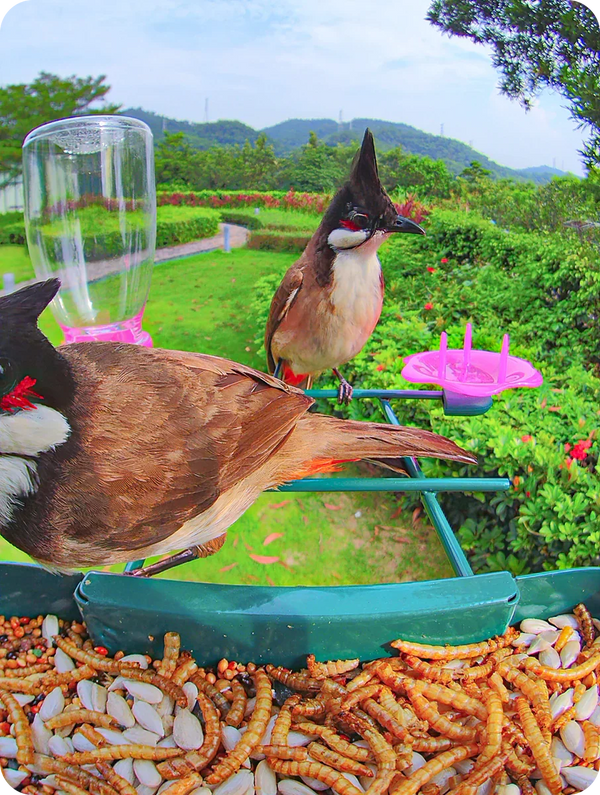
Bird feeders come in various styles, each designed to accommodate the unique feeding habits of different bird species. Tube feeders, for instance, are perfect for small birds like finches and chickadees, as they allow easy access to seeds while keeping larger birds at bay. Platform feeders, which are flat and open, invite a range of birds, including doves and sparrows, to feast together. Suet feeders, on the other hand, are ideal for woodpeckers and other insect-eating birds, providing them with a high-energy food source. Understanding the different types of feeders and their target species enables you to customize your bird feeder garden effectively, ensuring a diverse assortment of birds visit your space.
Choosing the Right Location
Placing your bird feeders in the right location is crucial for attracting birds while ensuring their safety. Ideally, feeders should be positioned in areas with good visibility from windows, allowing you to enjoy watching the birds without disturbing them. However, it’s important to consider cover from predators, such as cats or hawks. Placing feeders near shrubs or trees can provide a safe haven for birds. Additionally, ensure that the feeders are accessible for regular refilling and cleaning. A strategic placement not only enhances your birdwatching experience but also creates a safe and inviting environment for birds to come and feed.
Selecting the Best Birdseed
The type of birdseed you offer plays a significant role in attracting specific bird species. Sunflower seeds are a favorite for many birds, including cardinals and blue jays, thanks to their high oil content. Nyjer (thistle) seeds are small and particularly appealing to finches. Mixed seed blends can attract a variety of birds, but be cautious about choosing blends that contain fillers, which are often left uneaten. Opting for high-quality seeds ensures that you are providing nutritious options for your feathered visitors. Regularly replenishing the seed supply will keep your feeders buzzing with activity.
Maintaining Your Bird Feeders
Keeping your bird feeders clean and well-stocked is essential for the health of the birds. Dirty feeders can harbor mold and bacteria, posing health risks to the birds that visit. Establish a regular cleaning schedule, ideally once every two weeks, using a mild soap solution to scrub away residue. Rinse thoroughly and let the feeders dry completely before refilling. Additionally, ensure that the feeders are filled with fresh seed to prevent spoilage. A well-maintained feeder not only promotes bird health but also encourages frequent visits from a variety of species.
Creating a Welcoming Garden Environment
To attract a diverse range of birds, consider enhancing your garden with additional elements that promote a welcoming atmosphere. Incorporating native plants provides natural food sources and shelter for birds. Flowers, shrubs, and trees that produce seeds or berries can turn your garden into a haven for wildlife. Additionally, a small water source, such as a birdbath or pond, can attract thirsty birds, especially during hot months. Providing sheltered areas, such as dense shrubs or nesting boxes, gives birds a sense of security, encouraging them to visit frequently. By creating a holistic environment, you will establish a thriving bird habitat right in your backyard.
Creating Your Bird Paradise
In summary, transforming your garden into a bird paradise is a fulfilling project that can bring joy and vitality to your outdoor space. By understanding the types of bird feeders, choosing the right locations, selecting quality birdseed, maintaining your feeders, and creating a welcoming environment, you can attract an array of beautiful birds. So, gather your supplies, set up your feeders, and enjoy the rewarding experience of birdwatching in your own backyard. With a little effort and patience, your garden will become a vibrant sanctuary for birds and a delightful escape for you.