
Unlock the Secret to Happy Feeding: Discover the Magic of Glass Baby Bottles!
In recent years, glass baby bottles have gained significant traction among parents seeking safe and effective feeding solutions for their little ones. Unlike their plastic counterparts, glass bottles offer a variety of benefits that cater to both the health of the baby and the peace of mind of parents. With increasing concerns about harmful chemicals leaching from plastics and the environmental impact of single-use materials, many families are turning to glass as a preferred choice. This article will delve into the numerous benefits of glass baby bottles, explore the different types available, and provide practical tips on how to use them effectively. By the end of this exploration, parents will be better equipped to make informed decisions about their feeding gear, ensuring the best for their children.
Benefits of Glass Baby Bottles
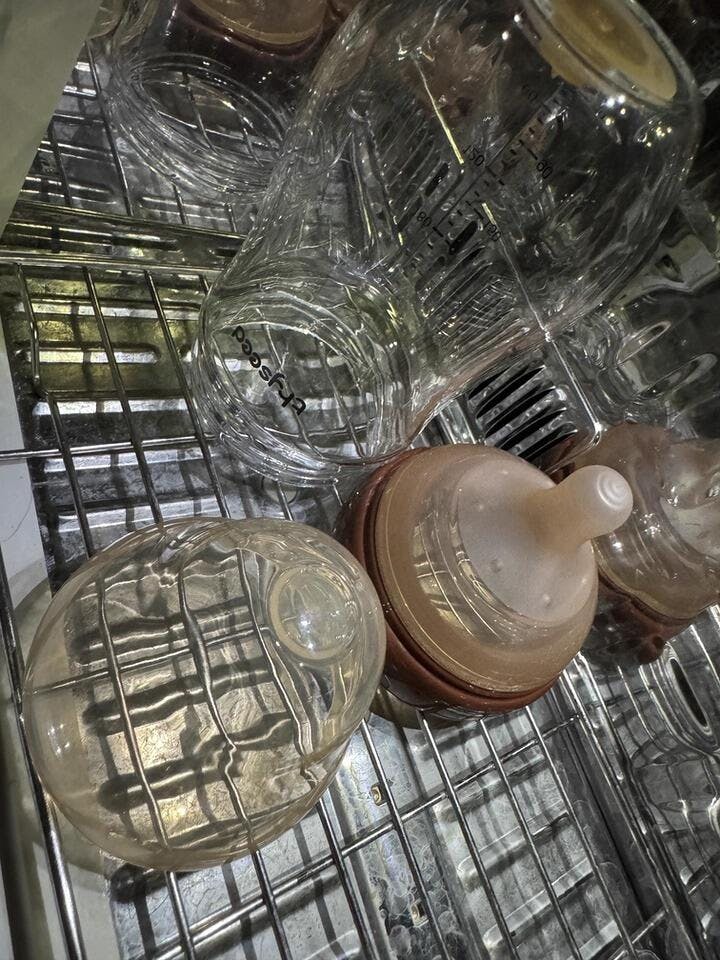
One of the most significant advantages of glass baby bottles is their safety. Glass is non-toxic and does not contain harmful chemicals such as BPA or phthalates, which are often found in plastic bottles. This makes glass a healthier option for babies, as there’s no risk of these substances leaching into the milk or formula. Moreover, glass bottles are incredibly easy to clean. They can be safely sterilized in boiling water, making them ideal for ensuring that all feeding equipment is free from bacteria and other pathogens. Parents can easily wash them in the dishwasher without worrying about wear and tear, which is often a concern with plastic bottles.
Durability is another noteworthy benefit. While glass can break if dropped, many brands offer bottles made from tempered glass that are designed to withstand minor impacts, reducing the likelihood of shattering. This durability can translate to long-term cost savings, as these bottles can last longer than plastic options, which may need to be replaced due to wear or discoloration over time. Additionally, many parents find that glass bottles provide a more satisfying feeding experience. The weight and feel of glass can mimic the natural experience of breastfeeding, which can be comforting for both babies and parents.
From personal experience, a close friend of mine switched to glass bottles after noticing a strange odor coming from her plastic ones after several washes. She found that not only did the glass bottles eliminate this issue, but they also enhanced her baby's feeding experience, as her little one seemed to prefer the glass over the plastic. Overall, the combination of health benefits, ease of cleaning, and positive feeding experiences makes glass baby bottles a compelling choice for many families.
Types of Glass Baby Bottles
When it comes to selecting glass baby bottles, parents will find a variety of options tailored to different needs. The two main categories are standard and wide-neck bottles. Standard glass bottles typically have a narrower neck and are compatible with most nipple types, making them a versatile choice. On the other hand, wide-neck bottles offer a larger opening for easier filling and cleaning, which can be especially beneficial for busy parents or those using thicker formulas.
Designs also vary significantly among glass baby bottles. Some feature silicone sleeves that provide an extra layer of protection against breakage while also offering a better grip for parents. Others might include measurement markings on the side, making it easy to track how much milk or formula is being fed. Additionally, there are different sizes available, ranging from small bottles for newborns to larger ones suited for older infants who consume more at each feeding.
Choosing the right type of glass bottle can also depend on feeding preferences. For instance, some parents prefer bottles that mimic breast shapes to ease the transition between breastfeeding and bottle-feeding. A friend who transitioned her baby from breast to bottle found that using wide-neck bottles made the process smoother, as they closely resembled the natural shape of the breast. Understanding the types of glass baby bottles available can help parents make informed decisions that cater to their specific needs.
How to Use Glass Baby Bottles Effectively
Using glass baby bottles effectively involves understanding the best practices for cleaning, sterilizing, and handling these bottles. Before the first use, it’s essential to sterilize glass bottles to eliminate any germs leftover from manufacturing. This can be done by boiling them for five to ten minutes or using a steam sterilizer. Regular washing is also critical; parents can either hand wash the bottles with a gentle dish soap or place them in the dishwasher for convenience.
During feeding, it's important to ensure that the glass bottle is held securely. Some parents find that using silicone sleeves can provide a better grip and protect the bottle from minor drops. When transitioning from plastic to glass, parents might want to take it slow, allowing their baby to get accustomed to the new bottle. This could involve starting with one glass bottle at a time while continuing to use plastic until the baby is comfortable.
Additionally, keeping an eye out for any signs of wear, such as scratches or chips in the glass, is vital for safety reasons. If a bottle does become damaged, it’s best to replace it immediately. Overall, proper handling and care can enhance the longevity of glass baby bottles, ensuring they remain a safe and reliable option for feeding.
Summarizing the Advantages of Glass Baby Bottles
In summary, glass baby bottles present an excellent option for parents who prioritize safety, cleanliness, and durability in their baby’s feeding equipment. The benefits of using glass bottles, such as avoiding harmful chemicals, ease of cleaning, and the positive feeding experience they offer, make them a worthwhile consideration. By understanding the various types available and following best practices for usage, parents can ensure that they provide their babies with the best feeding experience possible. As more families recognize the advantages of glass baby bottles, it’s clear that this choice can lead to happier, healthier feeding times.