

Unlock the Skies: Discover the Thrill of Owning Your Own RC Airplane!
In recent years, the excitement surrounding RC airplanes has soared to new heights, captivating enthusiasts and newcomers alike. The allure of piloting a miniature aircraft provides not just a thrilling experience but also a multitude of benefits that enhance your life. From stress relief as you watch your plane glide through the sky to the development of valuable skills like hand-eye coordination and problem-solving, owning an RC airplane can be a rewarding hobby. Moreover, it fosters community engagement, allowing you to connect with fellow hobbyists who share your passion. Whether you're looking to embark on a new adventure or simply wish to enjoy a serene afternoon flying, the world of RC airplanes is waiting for you to take off!
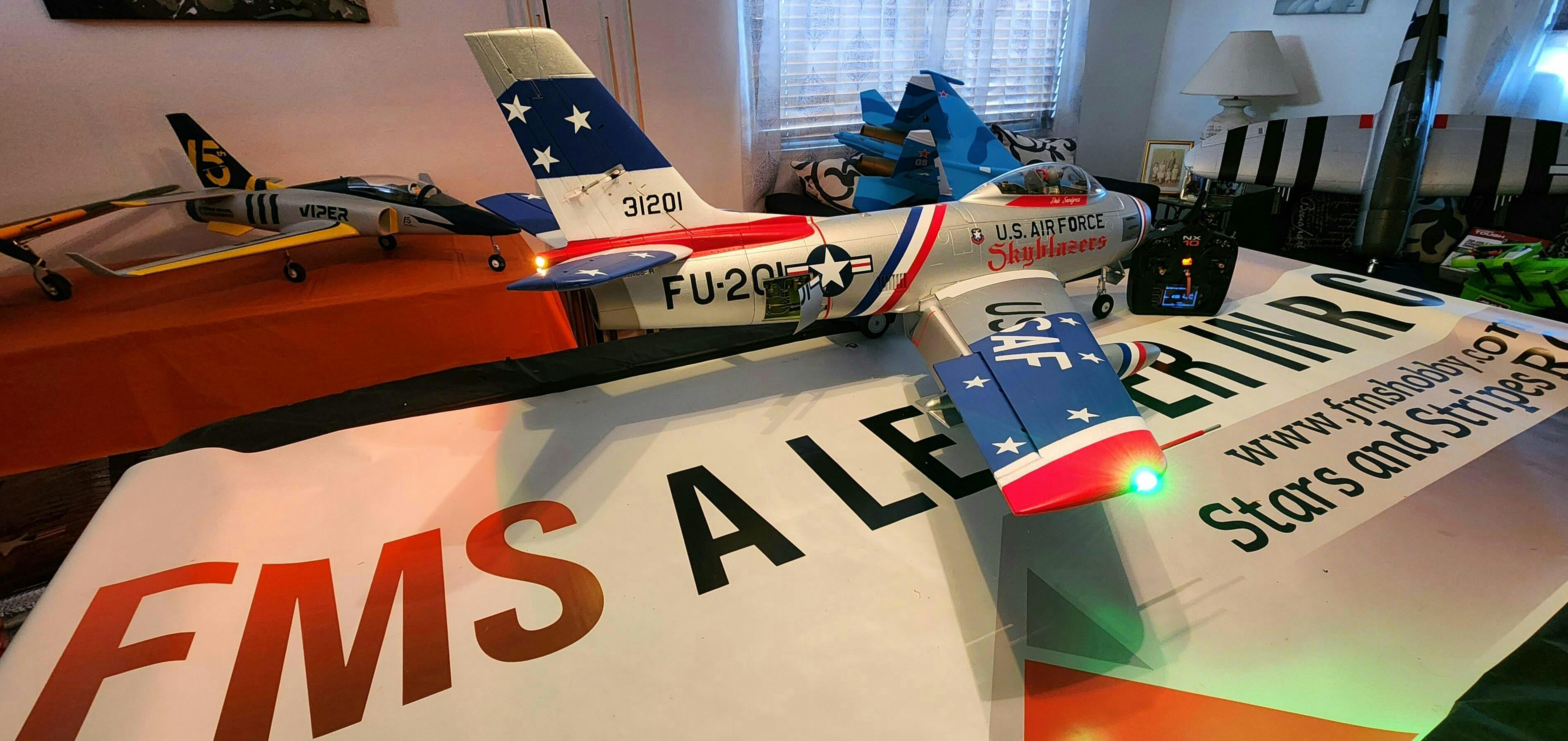
Understanding RC Airplanes
Remote-controlled (RC) airplanes are miniature aircraft that can be flown using a handheld transmitter. They come in various types, catering to different flying styles, skill levels, and preferences. Primarily, there are three main categories of RC airplanes: electric, gas, and glider models. Electric models are popular among beginners due to their ease of use and low maintenance, while gas models appeal to experienced flyers looking for speed and power. Gliders, on the other hand, rely on thermal currents and are designed for long, graceful flights without the need for constant power. Understanding the differences between these types is crucial for selecting the right airplane for your needs. Beyond the types, each RC airplane consists of essential components, including the airframe, motor, and control systems, which work together to create a seamless flying experience.
Benefits of Owning an RC Airplane
Owning an RC airplane brings numerous advantages that extend beyond mere entertainment. For many, flying these aircraft becomes a cherished recreational activity, providing an escape from the hustle and bustle of daily life. The focus and concentration required to operate an RC airplane can serve as an effective stress reliever, as you immerse yourself in the experience. Additionally, this hobby offers educational value, teaching principles of aerodynamics, physics, and engineering. It's an excellent way to spark curiosity and foster a desire to learn. Beyond the personal benefits, being part of the RC airplane community enhances social interaction. Attending local flying events or joining clubs allows enthusiasts to share tips, experiences, and camaraderie, creating lasting friendships built on a common interest in aviation.
Essential Parts of RC Airplanes
To ensure your RC airplane operates smoothly, it’s vital to understand its essential components. The airframe serves as the structure, providing durability and support for all other parts. Next, the motor is the heart of the airplane, providing the necessary thrust to get airborne. Depending on whether you’ve chosen an electric or gas model, the motor's specifications will vary. The battery is equally important, especially in electric models, as it powers the motor and controls. The radio system allows for communication between the transmitter and the receiver, ensuring that your commands translate into flight maneuvers. Additionally, servos play a critical role in managing control surfaces like ailerons, elevators, and rudders, allowing you to steer and control your airplane effectively. Understanding these components will help you make informed decisions when purchasing or upgrading your RC airplane.
Tips for Purchasing RC Airplanes and Parts
When it comes to purchasing an RC airplane, several factors come into play that can significantly impact your experience. First, consider your skill level; if you're a beginner, starting with a ready-to-fly model is advisable. Next, establish your budget, keeping in mind that the initial cost may be just the beginning, as you may need to invest in parts and accessories down the line. It's also essential to think about the type of flying you intend to do—whether you prefer leisurely gliding or thrilling speed. Researching specific parts is crucial for optimal performance. This knowledge will help you find compatible components that enhance your RC airplane’s capabilities, ensuring a better flying experience.
Embracing the Excitement of RC Airplanes
In conclusion, the world of RC airplanes offers an exhilarating avenue for adventure, relaxation, and skill development. By understanding the types of airplanes available, the benefits of ownership, and the essential components required, you can make informed decisions that enhance your experience. Embrace the joy of flying, connect with fellow enthusiasts, and discover the lifelong skills that come with this rewarding hobby. Whether you're looking to soar through the skies or build meaningful relationships within the community, owning an RC airplane promises to be a fulfilling journey that will keep you engaged for years to come.