
Uncover the Secrets to Choosing the Perfect Quiet Range Hood!
In today's fast-paced world, the kitchen has become more than just a place for cooking; it’s a sanctuary for creativity and connection. A key element to maintaining a pleasant cooking environment is a quiet range hood. Noise from kitchen appliances can be disruptive, detracting from the enjoyment of preparing meals. As more people recognize the importance of a serene kitchen atmosphere, the demand for quieter range hoods has surged. This article aims to guide you through the essentials of selecting the perfect quiet range hood, ensuring your culinary space is both functional and tranquil.
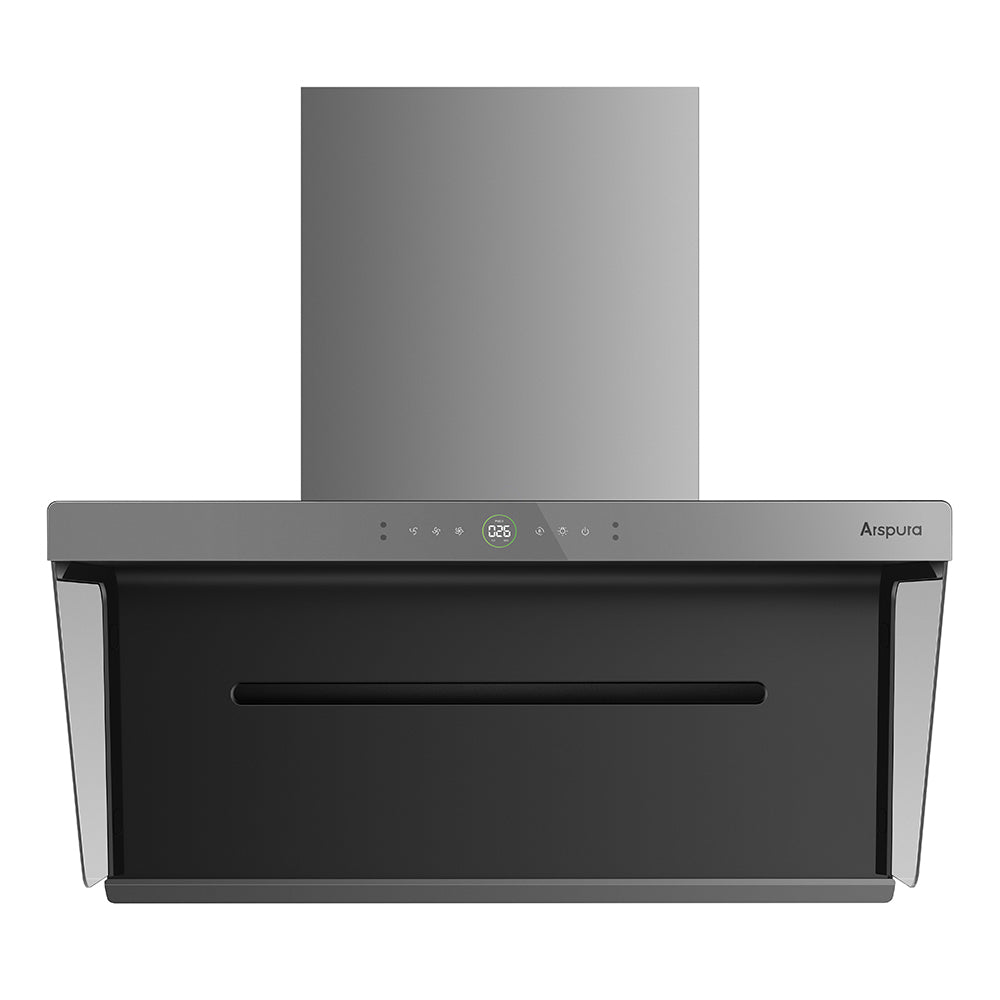
Understanding Quiet Range Hoods
A quiet range hood is typically defined by its sound levels, which are measured in sones or decibels. While many range hoods can be noisy, the ideal quiet model operates at a sound level that allows for comfortable conversation and focus while cooking. Generally, a range hood that operates below 3 sones is considered quiet, with many high-end models achieving even lower sound levels. The benefits of these quieter options extend beyond mere noise reduction; they contribute to a more pleasant cooking experience, allowing you to concentrate on your culinary creations without distraction. As my friend Sarah often says, "Cooking should be enjoyable, not stressful." The right quiet range hood can make a significant difference in your overall kitchen experience, eliminating the harsh background noise that often accompanies meal preparation.
Key Features to Consider
When selecting a quiet range hood, several key features should be prioritized. First, consider the airflow capacity, typically measured in cubic feet per minute (CFM). A higher CFM can effectively remove smoke and odors without needing to run the fan at maximum power, which can lead to increased noise. Next, the design and installation type are crucial; options include under-cabinet, wall-mounted, or island hoods, each serving different kitchen layouts. Energy efficiency is another significant factor, as models with energy-efficient motors tend to operate more quietly. Filter types also play a pivotal role; ducted hoods, which vent air outside, are generally quieter than charcoal filters, which recirculate air. I recall when my cousin remodeled her kitchen; she learned the hard way that opting for a quieter model made her cooking experience far more enjoyable and less noisy.
Comparing Different Models
When comparing various quiet range hood models, it’s essential to take a structured approach. Start by evaluating the price range that fits your budget, but remember that investing in quality often pays off in the long run. Warranty options are another crucial consideration; a longer warranty may indicate a manufacturer’s confidence in their product's durability. User reviews can provide real-world insights into the performance and noise levels of different models. To streamline your decision-making process, creating a checklist to evaluate your choices can be helpful. This checklist can include factors such as sound levels, airflow capacity, design, and energy efficiency. My friend Mark, who recently purchased a new range hood, emphasizes that a systematic approach helped him find a model that was not only quiet but also matched his kitchen's aesthetic perfectly.
Installation and Maintenance Tips
Proper installation of your quiet range hood is vital for optimal performance and minimal noise. Ensure that it is mounted at the recommended height above your cooktop to maximize its efficiency. Additionally, consider consulting a professional if you are unsure about the installation process to avoid any potential issues. Maintenance is equally important; regularly clean the filters to ensure they are functioning effectively, and replace them as needed to maintain optimal airflow and noise levels. Many quiet range hoods also come with indicator lights to remind you when it’s time to clean or replace filters. A friend of mine, who is a passionate home cook, makes it a routine to check her range hood every month, and she swears it enhances both the performance and quiet operation of her appliance.
Creating a Tranquil Kitchen Environment
Choosing the perfect quiet range hood is essential for creating a cooking environment that is both comfortable and efficient. Throughout this article, we’ve explored the factors that contribute to a quiet kitchen experience, from understanding the sound levels to key features and proper maintenance. Take your time to research and compare options, ensuring that you find a model that complements your kitchen needs and enhances your culinary adventures. Remember, a serene kitchen is not just a dream; with the right quiet range hood, it can be your reality.