
Unlock the Secrets to Choosing the Perfect Newborn Glass Bottle for Your Baby!
As new parents embark on the exciting journey of nurturing their newborns, one essential decision they face is choosing the right feeding bottle. In recent years, newborn glass bottles have gained considerable traction among parents seeking a safe and sustainable option for their little ones. Unlike plastic counterparts, glass bottles offer a host of benefits, including durability and a chemical-free feeding experience. This article will delve into the advantages of using newborn glass bottles, address vital safety considerations, and provide practical tips for their effective use, ensuring a smooth feeding experience for both babies and parents alike.
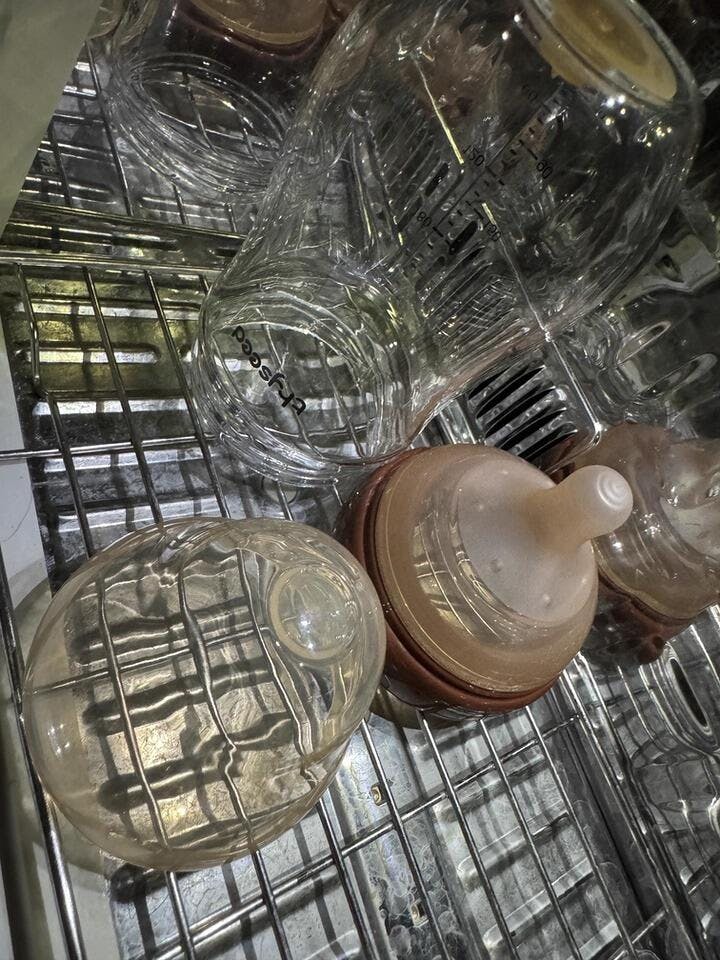
Benefits of Newborn Glass Bottles
Newborn glass bottles come with a variety of advantages that make them an appealing choice for feeding. Firstly, they are incredibly durable; while they can break if dropped, they are generally resistant to wear and tear, which means they can last through multiple children if handled with care. This durability often translates into cost savings in the long run, as parents won't need to replace them as frequently as plastic bottles.
Another significant benefit is that glass bottles are made from natural materials, free from harmful chemicals like BPA, phthalates, and PVC, which are often found in plastic bottles. This chemical-free composition ensures that the milk remains uncontaminated, providing peace of mind for parents concerned about their baby's health.
Additionally, glass bottles are easier to clean and sterilize compared to their plastic counterparts. They can withstand high temperatures, making them dishwasher and microwave safe, which simplifies the cleaning process. A friend of mine, who switched to glass bottles after a few months of using plastic, noted how much easier it was to keep the bottles hygienic. The clarity of glass also allows parents to monitor any residue or buildup that might require extra cleaning attention.
Overall, the benefits of newborn glass bottles contribute to a healthier feeding experience, allowing parents to feel confident in the safety and well-being of their babies.
Safety Considerations When Using Glass Bottles
While glass bottles offer many benefits, safety should always be a top priority for parents. Proper handling is crucial, as glass can break if dropped. To mitigate this risk, consider using silicone sleeves that provide cushioning and grip, making the bottles less prone to slipping from tiny hands. Additionally, always supervise feeding times, especially as your baby grows and begins to explore their surroundings.
Another important safety tip is to regularly check for wear and tear, particularly around the bottle's neck and the nipple. Over time, the glass can develop tiny cracks, and nipples may become worn or discolored. If any signs of damage are present, it's essential to replace the bottle to avoid any potential hazards. A friend's experience with a cracked glass bottle serves as a reminder of the importance of vigilance in ensuring the safety of feeding equipment.
Moreover, always select bottles that meet recognized safety standards. Researching the manufacturing process and materials used can help ensure that the bottles you choose are safe for your newborn. Additionally, familiarize yourself with proper storage techniques — keeping bottles away from high heat sources can prevent unnecessary breakage.
By adhering to these safety considerations, parents can confidently use glass bottles as part of their newborn's feeding routine.
Usage Tips for Newborn Glass Bottles
To make the most of newborn glass bottles, it's essential to adopt effective feeding techniques. Start by ensuring that the bottle is filled with the appropriate amount of milk, keeping in mind your baby’s feeding cues. When using glass bottles, many parents find that warming the milk in a bowl of hot water, rather than using a microwave, helps maintain a consistent temperature without creating hot spots that could harm your baby.
Another key tip is to pay attention to the nipple flow. Newborns typically require a slow flow nipple to avoid choking or gagging. As your baby grows and their feeding habits change, gradually transitioning to faster flow nipples can help accommodate their increasing appetite.
For parents transitioning from breastfeeding to bottle feeding, it can be helpful to choose a bottle that mimics the shape and feel of a breast. This can ease the adjustment period for both you and your baby. A friend shared that using a bottle with a natural nipple shape helped her baby adapt to bottle feeding smoothly after being exclusively breastfed for several months.
Lastly, develop a consistent cleaning routine for your glass bottles. After each use, rinse them with warm water and mild soap, and sterilize them regularly, especially in the first few months. This practice not only ensures cleanliness but also promotes healthy feeding practices.
Choosing the Right Newborn Glass Bottle
When selecting the perfect glass bottle for your newborn, there are several factors to consider. Start with the size; smaller bottles are often more manageable for newborns, while larger ones may be better suited for older infants. Ensure that the bottle you choose has a nipple flow that aligns with your baby’s developmental stage, as this directly influences their feeding experience.
Another important consideration is compatibility with breast pumps. If you plan to pump milk, look for bottles that can securely attach to your pump, minimizing the need for transfers and reducing the risk of spills. This feature is particularly beneficial for busy parents trying to streamline their feeding routine.
Lastly, it’s essential to trust your instincts and personal preferences. Every baby is unique, and what works for one family may not work for another. Some parents prefer bottles with wide mouths for easier filling and cleaning, while others may opt for narrow designs that are easier for little hands to grasp. Testing out different styles and observing your baby's response can help you find the best option for your family.
Summary of Key Points on Newborn Glass Bottles
In conclusion, choosing the right newborn glass bottle can make a significant difference in your baby's feeding journey. From the numerous benefits of durability and safety to practical usage tips and thoughtful selection criteria, understanding the essentials can empower parents to make informed decisions. Remember to prioritize safety by handling glass bottles with care, regularly inspecting them for wear, and following best practices for feeding and cleaning. Ultimately, the right glass bottle can enhance your baby's feeding experience, allowing parents to nurture their little ones with confidence and ease.