

Unlock the Secret to Choosing the Perfect Exhaust Hood for Your Space!
The importance of selecting the right exhaust hood for your kitchen cannot be overstated. An effective exhaust hood plays a crucial role in maintaining a clean and healthy cooking environment by removing smoke, odors, and excess moisture. When you’re cooking, whether it’s a quick weeknight dinner or an elaborate weekend feast, the last thing you want is for your kitchen to feel stuffy or to have lingering smells. The significance of proper height placement above the stove is equally essential; it can greatly affect the exhaust hood's efficiency and your overall cooking experience. In this guide, we’ll explore how to choose the perfect exhaust hood, focusing on height requirements, specifications, and installation considerations to ensure your kitchen remains a pleasant place to cook and gather.
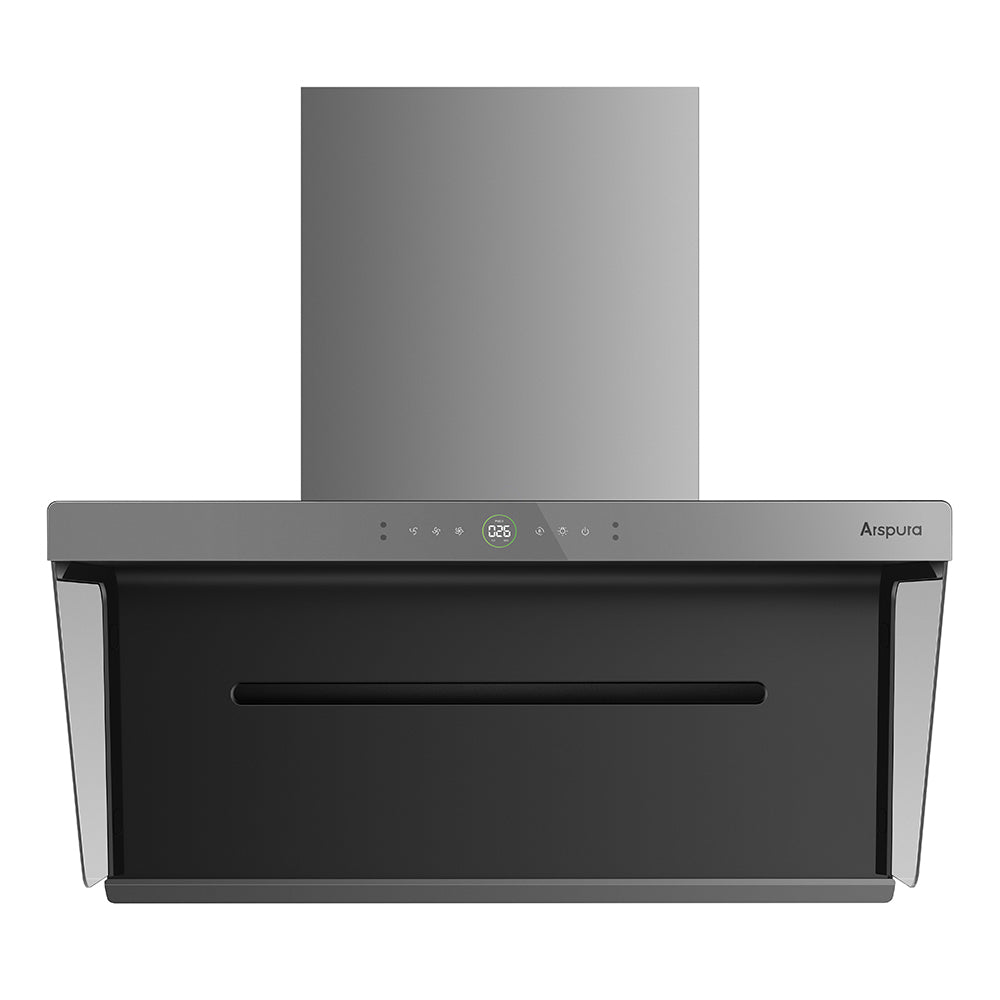
Understanding Exhaust Hood Height Requirements
When it comes to exhaust hood installation, height is a critical factor that can significantly influence performance. The general recommendation is to install the hood 24 to 30 inches above the cooking surface for electric ranges and 30 to 36 inches for gas ranges. However, these guidelines can vary based on several factors, including the type of stove you have and your cooking style. For instance, if you frequently use high-heat methods like frying or sautéing, you might want your hood installed closer to the stove to capture more steam and smoke. Additionally, local building codes may impose specific regulations that you need to follow. It’s essential to check these requirements before making any decisions. My friend Lisa found that adjusting her exhaust hood height made a noticeable difference in her kitchen's air quality after she started experimenting with different cooking techniques. She opted for a height that suited her tall stature, allowing her to cook comfortably while ensuring the hood did its job effectively.
Factors Influencing Exhaust Hood Height
Several factors can influence the ideal height for your exhaust hood. First, consider the type of cooking appliance you have. Gas stoves typically require a higher installation due to the flames they produce, while electric stoves can be positioned lower. Secondly, the layout and design of your kitchen are crucial; an open-concept kitchen may benefit from a higher installation to allow for better airflow throughout the space. Personal preferences also play a role; some cooks prefer to have their hoods installed at a height that aligns with their eye level for ease of use and monitoring. Last summer, during a kitchen renovation, my friend Mark spent hours measuring and adjusting his hood height until he found the perfect balance that complemented both his cooking style and kitchen design.
Choosing the Right Exhaust Hood for Your Needs
With a variety of exhaust hoods available, finding one that meets your specific needs can feel overwhelming. The two main types are under-cabinet hoods and wall-mounted hoods, each serving different kitchen layouts. Under-cabinet hoods fit neatly beneath cabinets, making them ideal for smaller kitchens, while wall-mounted hoods serve as a statement piece in open kitchens. Besides design, consider the features that matter most to you. Do you want a hood with multiple fan speeds for different cooking techniques? Or are you more concerned about energy efficiency? For instance, if you often prepare aromatic dishes, a model with a strong airflow capacity will be beneficial. My cousin recently switched from a basic model to a more advanced hood with a built-in sensor that automatically adjusts the fan speed based on cooking activity. This change not only improved her kitchen's air quality but also added a touch of modernity to her space.
Key Specifications to Consider
When purchasing an exhaust hood, several key specifications should be on your checklist. First, look at the airflow capacity, measured in cubic feet per minute (CFM). A higher CFM is essential for effective ventilation, especially if you cook frequently or use high-heat methods. Noise level is another important factor; some hoods operate quietly while others may be quite loud. If you enjoy cooking with family and friends gathered nearby, you might prefer a quieter model. Additionally, consider the type of filters used in the hood. Baffle filters are efficient for grease removal, while charcoal filters can help neutralize odors. One of my friends opted for a hood with dishwasher-safe filters, making maintenance much simpler, as she no longer had to juggle hand-washing after every use.
Installation Considerations
Installing an exhaust hood is not a simple DIY task and often requires professional help. Proper installation is crucial for ensuring that the hood operates efficiently and complies with safety standards. A poorly installed hood can lead to inadequate ventilation, which could cause more harm than good in the kitchen. Furthermore, electrical and ducting considerations must be addressed during installation; not every kitchen is equipped to handle the power requirements of certain hoods. Many home improvement projects can be tackled solo, but when it comes to exhaust hood installation, it's wise to consult with a licensed professional. When my sister renovated her kitchen, she learned this the hard way. After attempting to install her hood herself, she ended up calling in an expert to fix the misalignment and ensure everything was up to code. This experience reinforced the importance of proper installation and safety compliance.
Final Thoughts on Exhaust Hood Selection
In conclusion, choosing the right exhaust hood height and specifications is vital for creating a functional and safe kitchen environment. Understanding the height requirements, the factors influencing your choices, and the specifications to consider can greatly enhance your cooking experience. Remember, a well-chosen exhaust hood not only improves air quality but can also elevate the overall aesthetic of your kitchen. Whether you’re a novice cook or a culinary enthusiast, investing time in selecting the perfect exhaust hood will pay off in cleaner air, a more enjoyable cooking experience, and a healthier home.