
Transform Your Porch: Discover the Secrets to Stunning Step Railings!
Porch step railings are more than just a functional element of your home—they are a crucial component that enhances both safety and aesthetics. A well-designed railing can significantly transform the overall appearance of your porch, giving it a polished, inviting look. Whether you have a traditional Victorian home or a sleek modern abode, the right porch step railing can complement your style while providing essential support. In this article, we will delve into the different types of porch step railings, explore various materials, and share invaluable installation tips that will help you create a stunning outdoor space.
Understanding Porch Step Railings
Porch step railings serve as both a safety feature and a design element for your home. They protect individuals from falling off steps and provide a sturdy handhold for those entering or exiting. Beyond their practical advantages, railings contribute to the visual appeal of your porch, offering opportunities to express personal style. A well-chosen railing can enhance architectural details, create visual interest, and even increase your property’s value. Whether you are looking for something traditional or contemporary, understanding the purpose and benefits of porch step railings is the first step in your design journey.
Types of Porch Step Railings
When it comes to porch step railings, there is a plethora of styles to choose from, each offering a unique aesthetic appeal. Traditional railings often feature classic designs with intricate details that harken back to historical architecture. On the other hand, modern railings embrace a minimalist approach, focusing on clean lines and innovative materials. For those who want something truly unique, custom railings can be designed to fit specific tastes and requirements. Each type not only affects the look of the porch but also contributes to the overall ambiance of your home.
Traditional Railings
Traditional railings are characterized by their timeless designs, often incorporating elements like spindles, balusters, and ornate caps. Typically made from wood or wrought iron, these railings evoke a sense of nostalgia and classic charm. One friend of mine recently renovated her Victorian home and opted for a beautifully crafted wooden railing. The result was stunning—the intricate details of the woodwork perfectly complemented the house's architecture, creating a warm and inviting entrance.
Modern Railings
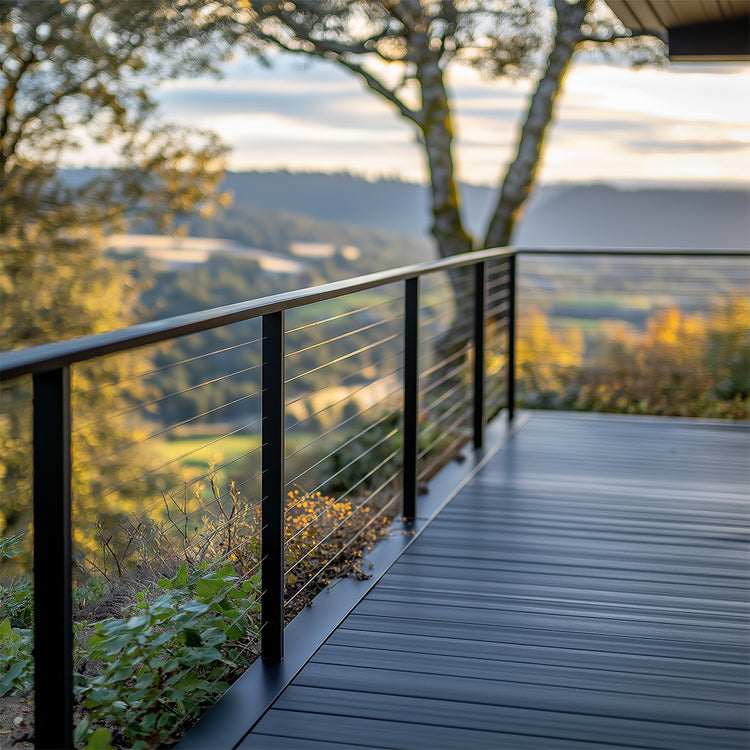
Modern railings focus on sleek, clean lines and often utilize materials like glass, stainless steel, and aluminum. These railings bring a contemporary feel to any porch, making them ideal for newer homes or minimalist designs. A neighbor installed a glass railing on his modern home, and it not only provided safety but also offered an unobstructed view of the surrounding landscape. The blend of functionality and style created a striking visual impact.
Custom Railings
Custom railings allow homeowners to express their individuality by tailoring designs to their specific preferences. This could include unique shapes, colors, or materials that reflect personal style. Customization can be as simple as selecting a specific paint color or as complex as designing an entirely new structure. A friend of mine designed a custom railing that featured a beautiful geometric pattern, which truly made his porch a standout feature of his home.
Materials for Porch Step Railings
Choosing the right material for your porch step railings is critical as it affects durability, maintenance, and overall aesthetics. Common materials include wood, metal, composite, and vinyl. Each has its own set of advantages and disadvantages, making it essential to consider your specific needs and preferences. For instance, while wood offers a classic appeal, it requires regular upkeep, whereas vinyl may be more low-maintenance but lacks the same charm.
Wood
Wooden railings are known for their natural beauty and versatility. They can be painted or stained to match any color scheme, making them a popular choice among homeowners. However, wood requires regular maintenance to prevent rot, warping, and insect damage. My cousin chose cedar for her porch railings due to its resistance to decay and its lovely natural color. With proper care, her railings remain stunning year after year.
Metal
Metal railings, such as those made from aluminum or wrought iron, are extremely durable and can withstand harsh weather conditions. They often feature sophisticated designs and can be finished in various colors to suit different aesthetics. A friend of mine installed an aluminum railing that has held up beautifully against the elements while adding an elegant touch to her porch.
Composite and Vinyl
Composite and vinyl railings offer low-maintenance options that mimic the appearance of wood without the upkeep. These materials resist fading, cracking, and splintering, making them ideal for busy households. While they may lack the warmth of natural wood, they come in a variety of styles and colors. A neighbor opted for composite railings, and she loves how easy they are to clean and maintain, all while looking stylish.
Installation Tips for Porch Step Railings
Installing porch step railings can seem daunting, but with the right preparation and guidance, it can be a straightforward process. Begin by gathering the necessary tools, such as a measuring tape, level, drill, and screws. Ensure you follow safety protocols during installation, as proper support and alignment are crucial for stability. Here’s a step-by-step guide to help you through the process.
Preparation Steps
Before installation, measure the height and width where the railing will be placed. Planning is essential, so sketch out your design and note the necessary materials. Make sure to check local building codes, as some areas have specific regulations regarding railing height and spacing.
Installation Process
Start by securing the bottom rail to the posts, ensuring it is level. Next, attach the vertical supports, spacing them evenly according to your design. Once the frame is in place, install the top rail, ensuring all components are securely fastened. Regularly check for level and alignment as you work through the installation.
Final Touches
After the railing is installed, consider adding finishing touches such as painting or staining to enhance its appearance and protect against the elements. A friend of mine painted her railings a vibrant blue, which added a pop of color to her porch and created a cheerful atmosphere.
Enhancing Your Home with Porch Step Railings
Porch step railings are a vital aspect of your home that combine safety with aesthetic appeal. By understanding the various types, materials, and installation techniques, you can make informed decisions that enhance your outdoor space. Whether you choose traditional, modern, or custom railings, the right selection will not only transform your porch but also elevate your home’s overall charm. Take the time to explore your options and create a welcoming environment that reflects your personal style.