

Unveiling the Secrets: What You Must Know About Range Hood Kits Before You Buy!
In the world of kitchen design and functionality, range hood kits play a crucial role that often goes unnoticed. Many homeowners face common kitchen ventilation issues, such as lingering odors, excess smoke, and grease buildup on surfaces. These problems can not only affect the comfort of cooking but also the overall cleanliness and health of the home. A well-chosen range hood kit can address these concerns effectively, ensuring that your kitchen remains a pleasant space for culinary exploration. This article aims to provide essential knowledge about range hood kits, empowering you to make an informed decision before making a purchase. Whether you’re renovating your kitchen or simply upgrading your appliances, understanding the ins and outs of range hood kits is vital for a successful investment.
Understanding Range Hood Kits
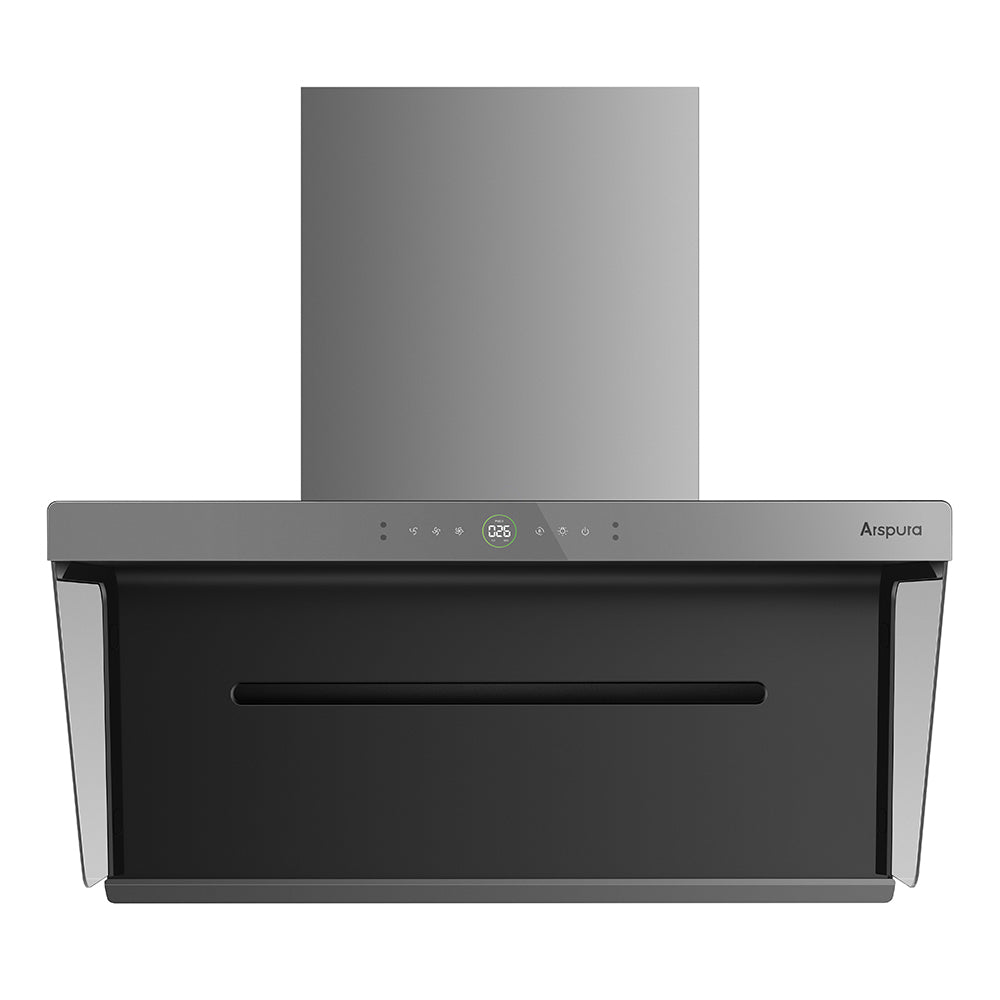
Range hood kits are designed to improve ventilation in kitchen environments by removing smoke, heat, and cooking odors from the air. These kits come in various styles to fit different kitchen layouts, including under-cabinet, wall-mounted, and island models. Under-cabinet range hoods are typically installed beneath kitchen cabinets, providing a discreet solution for smaller spaces. Wall-mounted options offer a more dramatic presence, extending from the wall above the range, while island hoods are ideal for open-concept kitchens, hanging from the ceiling above an island cooktop. Each type serves the same purpose but varies in design and installation requirements. Key components of a range hood kit include the hood itself, a fan or blower for airflow, filters to trap grease and odors, and ducting to vent air outside. Understanding these elements is essential for selecting the right kit that meets your kitchen’s needs.
Features to Look For
When selecting a range hood kit, several important features should be considered to ensure optimal performance. One of the most critical specifications is airflow capacity, measured in cubic feet per minute (CFM). Higher CFM ratings indicate greater airflow, which is essential for effectively removing smoke and odors while cooking. Noise levels, often measured in sones, are another key consideration; a quieter range hood can significantly enhance your cooking experience. Additionally, consider the types of filters included in the kit. Charcoal filters are ideal for recirculating hoods, while baffle filters are more effective in ducted models. Lighting options are also crucial—integrated LED lights can illuminate your cooking surface, adding both functionality and aesthetic appeal. Lastly, the design of the range hood should harmonize with your kitchen's décor, making it a stylish yet practical addition to your space.
Benefits of Using Range Hood Kits
Installing a range hood kit offers numerous benefits that extend beyond mere aesthetics. One of the primary advantages is improved air quality. By effectively removing smoke, steam, and cooking odors, range hoods help create a healthier environment in your kitchen. This is particularly important for those who frequently cook with strong spices or oils. Additionally, range hoods assist in reducing grease buildup on cabinets and walls, making kitchen maintenance easier and more efficient. Enhanced cooking experiences are another significant benefit; with improved ventilation, you can cook with confidence, knowing that your kitchen remains comfortable and free from excessive heat. Considerations for energy efficiency are also essential; many modern range hoods are designed to consume less power while still providing effective ventilation. Safety features, such as automatic shut-off mechanisms or filters that indicate when they need cleaning, can further enhance the value of your investment.
Installation Considerations
The installation process of range hood kits can vary based on the type of hood and your kitchen layout. Proper ducting is crucial; ensure that the ductwork is appropriately sized and installed to facilitate optimal airflow. Consider clearance requirements as well; the range hood should be positioned at the right height above the cooktop to maximize its effectiveness. Compatibility with your kitchen layout is another critical factor; take time to measure and plan for the best placement of the hood. While some homeowners may opt for DIY installation to save costs, hiring professionals can ensure that the installation is done correctly, preventing future issues and ensuring compliance with local building codes. A friend of mine recently installed a range hood by themselves and faced several challenges with duct alignment, highlighting the importance of considering professional assistance if you're unsure about the process.
Common Mistakes to Avoid
When selecting and installing range hood kits, several common pitfalls can derail your project. One major mistake is underestimating airflow needs; it's essential to choose a range hood with sufficient CFM to accommodate your cooking habits. Neglecting maintenance is another frequent oversight; filters require regular cleaning or replacement to ensure the hood functions effectively. Additionally, overlooking local building codes can lead to complications during installation. To avoid these mistakes, conduct thorough research on your kitchen's ventilation requirements and consult with professionals or experienced friends if needed. Taking time to understand your specific needs can save you from costly errors and enhance the overall performance of your range hood.
Final Thoughts on Range Hood Kits
In summary, understanding range hood kits is essential for anyone looking to enhance their kitchen's functionality and aesthetic appeal. From recognizing the different types and key components to evaluating important features and installation considerations, being informed can significantly impact your purchasing decision. The benefits of improved air quality, reduced odors, and enhanced cooking experiences make range hoods a worthy investment. As you consider your unique kitchen requirements, take the time to research and choose a range hood kit that aligns with your needs, ensuring a successful addition to your home for years to come.