

Transform Your Space: Discover the Secrets of Stunning Floating Stairs!
Floating stairs have become a hallmark of modern architecture, capturing the attention of homeowners and designers alike. These visually striking designs create an illusion of weightlessness, elevating the aesthetic appeal of any interior space. Unlike traditional staircases, floating stairs give off a contemporary vibe, making them an attractive choice for those looking to enhance their home’s style while maintaining functionality. The seamless blend of design and engineering allows these stairs to serve as a focal point, promoting an open and airy environment. In this article, we will delve into the intricacies of floating stairs, exploring their unique characteristics, purchasing options, and installation considerations to help you make an informed decision for your home.
Understanding Floating Stairs
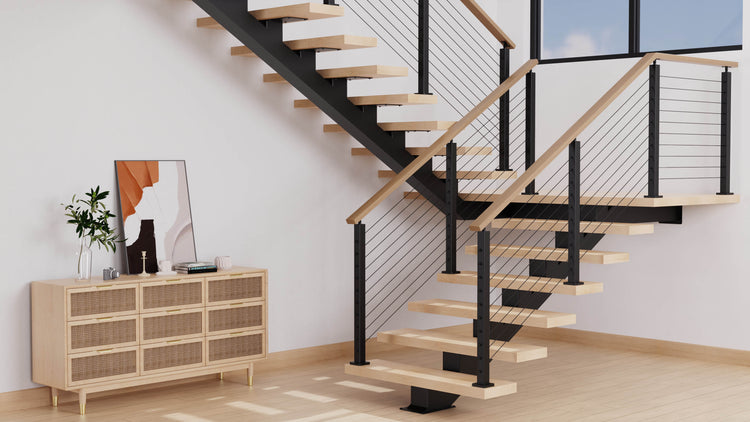
Floating stairs are a distinct type of staircase that appears to "float" without visible support, creating a minimalist and elegant appearance. This design is achieved through innovative construction techniques, where each step is anchored directly to the wall or supported by a hidden structure. Unlike traditional staircases, which often rely on bulky railings and posts, floating stairs use open risers, allowing light to pass through, thereby enhancing the sense of space. They can be crafted from various materials, including wood, glass, and metal, giving homeowners the flexibility to customize their look. The visual impact of floating stairs can dramatically change the ambiance of a home, making them suitable for both residential and commercial settings. Whether you prefer a sleek, modern finish or a rustic charm, floating stairs can adapt to various design preferences.
Evaluating Your Options
When considering the purchase or installation of floating stairs, several key factors must be evaluated to ensure a perfect fit for your space. First, the design should complement the overall aesthetic of your home. Think about the style—do you prefer a contemporary look with sharp lines or a more organic design that incorporates natural materials? Next, materials play a crucial role in both appearance and durability; hardwood provides warmth, while metal and glass offer a sleek and modern finish. Safety regulations are also paramount—floating stairs must adhere to specific building codes, particularly regarding tread depth and railings. To determine the best fit for your space, consider your lifestyle and how the stairs will be used. For instance, if you have young children or pets, you may need to prioritize safety features alongside aesthetic appeal.
Finding Suppliers and Contractors
Finding the right suppliers and contractors for floating stairs can make all the difference in ensuring a successful project. Start by researching local companies that specialize in custom stair designs. Look for contractors who have experience specifically with floating stairs, as their expertise will be invaluable. A personal recommendation can be a great way to gauge quality—ask friends or family if they know any reputable professionals in the field. Once you have a list of potential contractors, review their portfolios to assess the quality and variety of their work. Pay attention to client reviews and testimonials to ensure that they have a strong track record. Additionally, don’t hesitate to ask for references; speaking with previous clients can provide insight into their experience and satisfaction with the contractor’s work.
Installation Considerations
The installation of floating stairs is a complex process that requires careful planning and execution. One of the first considerations is structural support; the stairs must be securely anchored to ensure safety and stability. This often involves reinforcing the wall or the floor beneath the stairs to handle the weight. Building codes must also be taken into account, as regulations regarding tread width, riser height, and guardrails vary by location. Preparing for installation means coordinating with your contractor to set a timeline and clarify the necessary preparations. Expect some disruption during the installation process, as it may require adjustments to your existing space. Communication with your contractor will be key to navigating challenges that may arise, ensuring that the final product meets your expectations.
Transforming Your Space with Floating Stairs
In conclusion, floating stairs are more than just a stylish addition to your home; they offer a unique blend of beauty and functionality that can transform any space. By understanding the design options, carefully evaluating your choices, and selecting the right suppliers and contractors, you can achieve the perfect installation. Remember to prioritize safety and compliance with building regulations throughout the process. With thorough research and thoughtful planning, your floating stairs can become a stunning centerpiece in your home, inviting admiration and enhancing your living experience.