
Unlock the Secrets of High Power IGBTs: Transform Your Understanding and Applications!
High power Insulated Gate Bipolar Transistors (IGBTs) have emerged as vital components in modern electronics, revolutionizing how we manage power in various applications. These sophisticated semiconductor devices combine the best features of both bipolar transistors and MOSFETs, allowing for high efficiency and rapid switching capabilities. Understanding high power IGBTs is not just a technical endeavor; it opens doors to numerous applications that impact our daily lives—from renewable energy solutions to electric vehicles and beyond. By delving into their specifications and operational advantages, we can appreciate their role in enhancing performance and reliability in a multitude of systems.
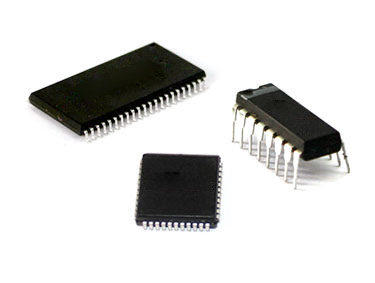
Understanding High Power IGBTs
High power IGBTs are designed to handle significant power levels while maintaining efficiency and speed. Operating under the principles of semiconductor physics, they function as switches that can control large amounts of electrical energy. The unique structure of an IGBT consists of a gate terminal, an emitter, and a collector, which allows it to switch on and off rapidly, making it ideal for high-frequency applications. Unlike traditional bipolar junction transistors, which can suffer from slower switching times, IGBTs offer the advantage of faster response times and lower conduction losses. This combination of characteristics makes them indispensable in high-power applications where performance and efficiency are critical.
Applications of High Power IGBTs
High power IGBTs find applications across a wide array of industries, showcasing their versatility and effectiveness. In renewable energy systems, for instance, IGBTs play a crucial role in inverters that convert DC power from solar panels into AC power for the grid. Similarly, in the realm of electric vehicles, these components are essential for managing battery power and controlling electric motors, enhancing the overall efficiency of the vehicle. Moreover, industrial motor drives leverage IGBTs to optimize performance in manufacturing processes, ensuring that motors operate smoothly and reliably. The ability of high power IGBTs to enhance efficiency and performance makes them integral to modern technological advancements.
Specifications of High Power IGBTs
Understanding the specifications of high power IGBTs is essential for selecting the right device for specific applications. Key specifications include voltage ratings, typically ranging from 600V to 3,300V, and current ratings, which can exceed several hundred amperes. Switching speeds are also critical, as faster switching can lead to reduced energy losses and improved thermal management. Thermal performance is another vital specification, as efficient heat dissipation ensures the reliability and longevity of the IGBT under high load conditions. By evaluating these specifications, engineers can make informed decisions about which IGBTs to employ in their systems, optimizing performance for the intended application.
Operational Advantages of High Power IGBTs
The operational advantages of high power IGBTs are numerous and impactful. Their high efficiency translates into lower energy consumption, which is increasingly important in today's energy-conscious environment. Reliability is another advantage; IGBTs are designed to withstand high power loads without compromising performance, resulting in longer service life and reduced maintenance costs. Additionally, the rapid switching capabilities of IGBTs contribute significantly to system performance, allowing for more precise control of electrical energy flow. A friend of mine who works in the renewable energy sector often shares how the adoption of IGBTs has improved the efficiency of solar inverters, enabling higher energy yields and faster return on investment for solar installations. These advantages not only enhance operational performance but also pave the way for innovations in future technologies.
Summary of High Power IGBT Importance
In summary, high power IGBTs are crucial components that play a significant role in various applications ranging from renewable energy systems to electric vehicles and industrial motor drives. Their unique specifications, including voltage and current ratings, switching speeds, and thermal performance, make them highly effective in managing power efficiently. With operational advantages such as enhanced efficiency and reliability, high power IGBTs are transforming how we harness and utilize electrical energy. As technology continues to evolve, understanding the implications of high power IGBTs will be essential for anyone looking to engage with the future of power electronics.