

Unlock the Secret to Stress-Free Feeding: Discover the Best Slow Flow Bottles for Your Newborn!
Choosing the right feeding bottle for your newborn is a decision that can significantly impact both the feeding experience and your little one's health. With numerous options available, parents often face challenges in selecting the best one. Slow flow bottles are designed to provide a gentle feeding experience, mimicking breastfeeding and allowing your baby to feed at their own pace. This is particularly crucial for newborns, who may struggle with fast-flow nipples that overwhelm them. In this article, we'll explore the best slow flow bottles, helping you navigate this essential purchase and ensuring a smoother, more enjoyable feeding time for both you and your baby.
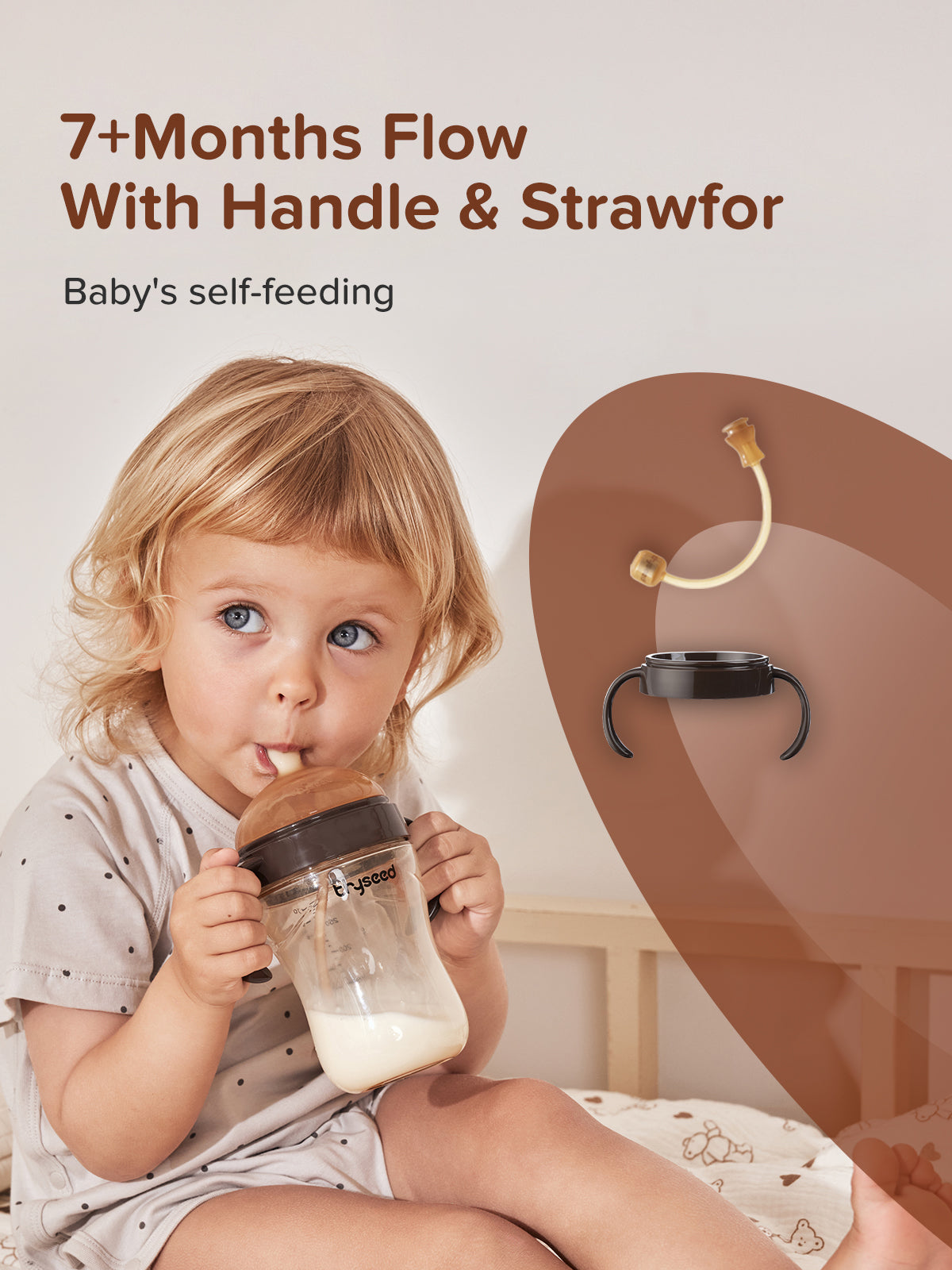
Understanding Slow Flow Bottles
Slow flow bottles are specifically designed to control the rate at which milk or formula flows from the nipple, making them an ideal choice for newborns. Unlike regular bottles, which may have faster flow rates that can lead to choking or overfeeding, slow flow bottles provide a gentle, steady stream that allows your baby to suck and swallow comfortably. The flow rate is crucial during the early months, as it helps prevent excessive air intake, which can lead to discomfort and gas. Understanding the purpose of these bottles is essential, as they support healthy feeding habits and help babies transition between breastfeeding and bottle-feeding seamlessly.
Benefits of Using Slow Flow Bottles
Using slow flow bottles comes with a multitude of benefits that can enhance your baby's feeding experience. One of the primary advantages is the reduced risk of overfeeding. With a slower flow, babies can better gauge their hunger cues and stop when they are full. Additionally, these bottles promote a better latch, making it easier for babies who are transitioning from breastfeeding. Parents also report a decrease in colic symptoms when using slow flow bottles, as the controlled flow minimizes the amount of air swallowed during feeding. Ultimately, adopting slow flow bottles contributes to a healthier feeding routine, supporting both physical and emotional well-being for your newborn.
Key Features to Look for in Slow Flow Bottles
When selecting slow flow bottles, several key features should be at the forefront of your decision-making process. First and foremost, consider the nipple design, as some may have various shapes that can better accommodate your baby's latch. Ease of cleaning is another essential factor; bottles that can be easily disassembled and are dishwasher-safe will save you time and effort. Material safety is critical, too; look for BPA-free options to ensure your baby's health. Lastly, compatibility with breast pumps can be a game-changer for breastfeeding mothers, allowing for a seamless transition from breast to bottle. Keeping these features in mind will help you choose the most suitable slow flow bottle for your newborn.
Comparative Analysis of Slow Flow Bottle Options
The market offers a wide array of slow flow bottle options, each presenting unique features and benefits. Some bottles prioritize ergonomic designs, making them comfortable for both parents and babies to hold during feeding. Others may focus on innovative nipple shapes that mimic the breast, providing a familiar experience for your little one. Additionally, there are bottles designed with anti-colic technology, which can further reduce the risk of gas and discomfort. While each type of slow flow bottle has its advantages, understanding what makes each unique will help you find the perfect match for your baby's needs.
Choosing the Best Slow Flow Bottle for Your Newborn
In conclusion, selecting the right slow flow bottle for your newborn is a crucial step towards achieving a stress-free feeding experience. The benefits of slow flow bottles, including reduced overfeeding risks, improved latch, and colic prevention, make them an excellent choice for new parents. By considering key features such as nipple design, ease of cleaning, and compatibility with breast pumps, you can make an informed decision that caters to your specific needs and preferences. Remember, the goal is to create a positive feeding environment for your baby, ensuring they grow healthy and happy.