
Unlock the Secrets of Stunning Balcony Rails: Discover Materials, Styles, and Safety Tips!
Balcony rails serve not just a functional purpose but also enhance the aesthetic appeal of any outdoor space. They act as a protective barrier, ensuring that everyone who steps out onto the balcony can do so safely. Given the variety of materials and styles available, choosing the right balcony rails can significantly impact the overall look and feel of your home. Whether you're aiming for a sleek modern vibe or a cozy traditional atmosphere, this article will guide you through the diverse options available, helping you make an informed decision that balances beauty and safety.
Understanding Balcony Rails: An Overview
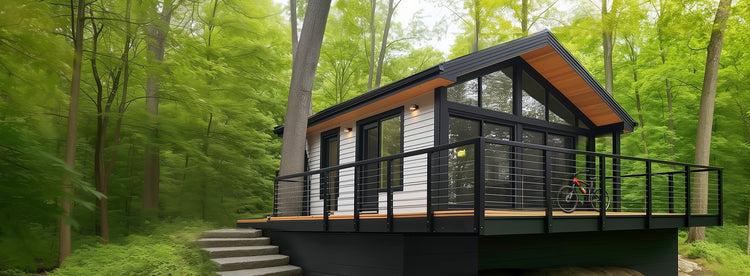
Balcony rails, often referred to as balustrades, are vertical posts or panels that form a barrier around a balcony, terrace, or staircase. Their primary functions include providing safety and enhancing the design of the space. A well-chosen balcony rail not only prevents accidental falls but also adds character to the building's architecture. When selecting the right balcony rails, it's crucial to consider the type of home you have—be it a contemporary high-rise, a charming cottage, or a classic Victorian. The right balcony rails can tie the whole exterior together, making it both functional and visually appealing.
Materials Used in Balcony Rails
When it comes to balcony rails, the choice of material plays a critical role in durability, maintenance, and aesthetic appeal. Here’s a closer look at some of the most popular materials used in balcony rail construction:
Wooden Balcony Rails
Wooden balcony rails are celebrated for their natural beauty and warmth. They can seamlessly blend with traditional and rustic architecture. Common types of wood used include cedar, redwood, and pressure-treated pine. While wooden rails offer a classic charm, they do require regular maintenance, such as staining or sealing, to protect against weathering and insect damage. If you have a friend who installed wooden rails on their balcony, you might hear them rave about how the wood gives their outdoor space a cozy, inviting feel, but they also emphasize the work involved in upkeep.
Metal Balcony Rails
Metal balcony rails, particularly wrought iron and aluminum, are known for their strength and durability. Wrought iron rails can be crafted into intricate designs, adding an ornamental touch, while aluminum is lightweight, resistant to rust, and requires minimal maintenance. A friend of mine opted for aluminum rails for their modern condo; they appreciated how seamlessly the material complemented the sleek lines of the building while ensuring safety without the heavy look of traditional metal.
Glass Balcony Rails
For a contemporary look, glass balcony rails are an excellent option. They provide unobstructed views while maintaining a sense of safety. Tempered glass is commonly used in these installations, as it is treated to withstand impact and extreme weather. The safety ratings of glass rails are impressive, making them a favorite among modern homeowners who want a sleek yet secure balcony solution. A neighbor of mine has glass rails, and they often remark on how it transforms their outdoor space into a more open and airy environment, making it perfect for entertaining guests.
Composite Materials
Composite materials, a blend of various elements, offer a perfect balance of durability and aesthetic appeal. They are engineered to withstand the elements while requiring minimal maintenance, making them a practical choice for busy homeowners. These materials can mimic the look of wood or metal, providing flexibility in design without compromising on performance. A friend who has composite balcony rails often shares how easy they are to clean and maintain, allowing them more time to enjoy their outdoor space rather than worry about upkeep.
Styles of Balcony Rails
Balcony rails come in numerous styles that can complement various architectural designs. Traditional balcony rails often feature ornate designs with spindles or intricate wrought iron work that enhance classic homes. On the other hand, modern styles favor clean lines and minimalistic designs, often utilizing materials like glass or metal in sleek configurations. Minimalist styles focus on simplicity, using fewer elements to create a more open feel, while ornamental styles might include decorative motifs or patterns that draw the eye. For instance, a friend with a beautifully restored Victorian home chose elaborate wrought iron rails that echo the historical elegance of the house, while another friend with a contemporary apartment selected simple glass panels that highlight the stunning city views.
Safety Features of Balcony Rails
When it comes to balcony rails, safety should always be a top priority. It's essential to adhere to height regulations, which typically require that balcony rails be at least 36 inches high. Additionally, the spacing between bars should be narrow enough to prevent small children from slipping through. The construction must be sturdy, ensuring that the rails can withstand pressure and movement. To ensure safety without sacrificing style, consider designs that incorporate secure locking mechanisms or additional features like tempered glass. A couple of my friends who had children mentioned that they chose balcony rails that provided visibility without compromising safety, allowing them to enjoy peace of mind while their kids played nearby.
Key Takeaways for Choosing the Right Balcony Rails
In summary, selecting the right balcony rails involves a careful consideration of materials, styles, and safety features. Each option offers unique advantages that can enhance both the safety and aesthetic appeal of your outdoor space. Whether you prefer the warmth of wood, the durability of metal, the modern feel of glass, or the low maintenance of composite materials, it's essential to choose rails that reflect your style while providing the necessary protection. As you embark on your journey to find the perfect balcony rails, keep in mind your personal needs and preferences—after all, your balcony is an extension of your home and a place where you can relax and enjoy the beauty of the outdoors.