
Discover the Ultimate Kitchen Ventilation Solutions That Will Transform Your Cooking Experience!
When it comes to creating a delightful cooking environment, one of the most crucial yet often overlooked aspects is kitchen ventilation. Effective ventilation not only enhances your cooking experience but also significantly impacts the overall indoor air quality of your home. Poor ventilation can lead to a buildup of smoke, strong odors, and excess moisture, making the kitchen a less pleasant place to be. Imagine a bustling kitchen filled with the aroma of delicious meals yet clouded by lingering smoke and odors; it’s a challenge many home cooks face. In this article, we will explore various kitchen ventilation options, helping you make an informed decision to elevate your cooking space and ensure a healthy kitchen atmosphere.
Understanding Kitchen Ventilation
Kitchen ventilation refers to the system used to remove smoke, odors, and excess moisture from the cooking area. Proper ventilation is essential for maintaining a comfortable and safe cooking environment. Without it, harmful pollutants can accumulate, leading to poor air quality and potential health issues. Effective ventilation systems work by extracting air from the kitchen and replacing it with fresh air, ensuring that you can cook without the discomfort of unpleasant smells or moisture buildup. It’s not just about comfort; it’s about creating a space where cooking becomes a joy rather than a chore.
Types of Kitchen Ventilation Systems
When considering kitchen ventilation, there are several systems to choose from, each with its unique features and functionalities. The most common types include range hoods, downdraft systems, and exhaust fans. Range hoods are perhaps the most recognizable, mounted above the cooktop to capture smoke and odors. Downdraft systems, on the other hand, pull air down and away from the cooktop, ideal for modern kitchen designs. Lastly, exhaust fans are typically installed in windows or ceilings, providing an economical solution for smaller spaces. Each of these options has its advantages, depending on your kitchen layout and cooking habits.
Range Hoods
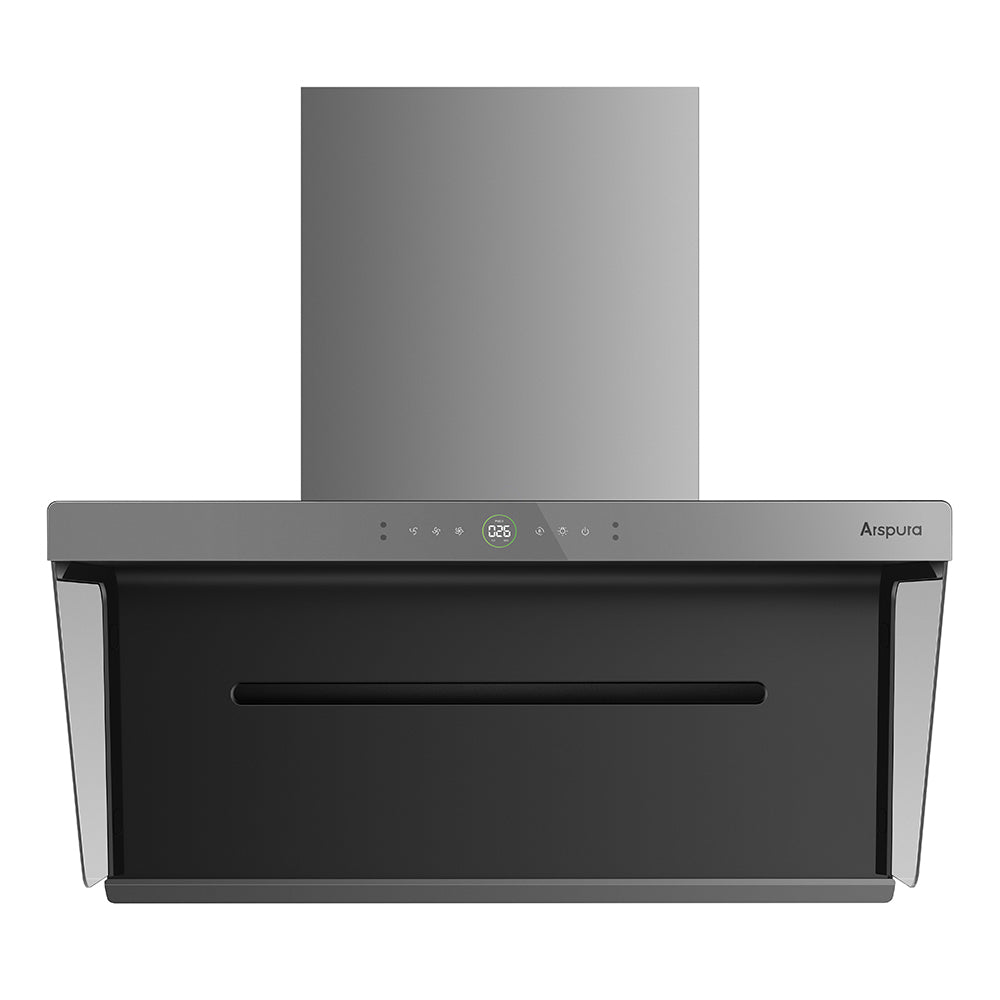
Range hoods are a popular choice for many kitchens, offering both style and functionality. They come in various designs, including wall-mounted, under-cabinet, and island styles. One of the key features of range hoods is the option between ducted and ductless systems. Ducted hoods vent air outside, effectively removing smoke and odors, while ductless models filter the air and recirculate it back into the kitchen. This flexibility allows homeowners to choose a solution that fits their kitchen’s layout and ventilation needs. A friend of mine recently installed a stunning wall-mounted range hood, and it not only enhances the kitchen's aesthetic but also works wonders at clearing the air while cooking.
Downdraft Ventilation
Downdraft ventilation systems are a sleek and modern solution for kitchens, particularly those with island cooktops. Unlike traditional range hoods, downdraft systems pull air down and away from the cooking surface, providing a clean look without the bulk of a hood. This type of ventilation works exceptionally well in open-concept designs, where maintaining sightlines is essential. When my neighbor remodeled her kitchen, she opted for a downdraft system, and she loves how it keeps the air fresh without obstructing her view of the living area.
Exhaust Fans
Exhaust fans are an economical option for smaller kitchens or spaces where larger ventilation systems aren’t feasible. These fans are typically installed in windows or ceilings and work to expel hot air, smoke, and odors from the kitchen. While they may not be as powerful as range hoods, they are effective in providing basic ventilation and are often more energy-efficient. A family member living in a compact apartment swears by their kitchen exhaust fan, claiming it makes a noticeable difference when cooking.
Factors to Consider When Choosing Kitchen Ventilation
Choosing the right kitchen ventilation system involves several factors. Firstly, consider the size of your kitchen; larger spaces may require more powerful solutions, such as range hoods, while smaller kitchens can benefit from exhaust fans. Your cooking habits also play a crucial role; if you frequently cook with high heat or strong-smelling ingredients, opt for a system with higher extraction rates. Noise levels are another important consideration; some systems operate quietly, while others can be quite loud. Finally, think about maintenance requirements; some systems require frequent filter changes or cleaning, while others may be more straightforward to maintain.
Benefits of Effective Kitchen Ventilation
Investing in an effective kitchen ventilation system reaps numerous benefits. The most significant advantage is improved air quality, which is essential for maintaining a healthy home. Proper ventilation helps to reduce cooking odors, ensuring your kitchen remains a pleasant space. Additionally, it minimizes moisture buildup, which can lead to mold growth and damage over time. Enhanced comfort while cooking is another benefit; with effective ventilation, you can enjoy your culinary adventures without feeling overwhelmed by steam or smoke. Friends who have upgraded their ventilation systems often express how much more enjoyable cooking has become.
Final Thoughts on Kitchen Ventilation Solutions
In conclusion, selecting the right kitchen ventilation system is vital for enhancing your cooking experience and maintaining a healthy kitchen environment. By understanding the various options available, such as range hoods, downdraft systems, and exhaust fans, you can choose a solution tailored to your specific needs and preferences. Whether you’re a casual cook or a culinary enthusiast, investing in quality ventilation will transform your kitchen into a more enjoyable space. Don’t underestimate the importance of good air quality; take the time to explore your options and breathe new life into your cooking environment.