
Unlock the Secrets to Sourcing Perfect PNP Transistor Switches for Your Next Project!
In the realm of electronics, PNP transistor switches play a pivotal role in various projects, especially in automation systems where reliable switching is essential. These components are integral for controlling devices, whether it's turning on a motor or managing signals within a circuit. As technology advances, the demand for PNP transistor switches has surged, making it crucial for hobbyists and professionals alike to source the right types for their specific applications. Understanding the nuances of these components and knowing where to find them can significantly enhance the success of your electronic endeavors.
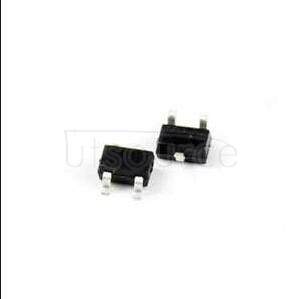
Understanding PNP Transistor Switches
PNP transistor switches are semiconductor devices that allow current to flow from the emitter to the collector when a small current is applied to the base. This operation is opposite to that of NPN transistors, which conduct when the base is receiving a positive voltage. In practical terms, PNP transistors can be thought of as a switch that is "on" when the base is pulled low relative to the emitter. They are widely used in applications where a common ground is required, making them ideal for controlling loads in negative logic systems. Knowing when to use PNP transistors involves understanding your circuit configuration; they are typically employed in high-side switching applications, where the load is connected to the positive supply voltage. This ensures that the load is only energized when the base receives the appropriate signal, providing a straightforward method of controlling higher voltage circuits with low-level control signals.
Factors to Consider When Sourcing PNP Transistor Switches
When sourcing PNP transistor switches, several key factors must be considered to ensure optimal performance in your projects. Voltage ratings are crucial; you must select transistors that can handle the maximum voltage your circuit will experience. Exceeding these ratings can lead to failure, potentially damaging your circuit or other components. Current ratings are equally important; ensure that the transistor can handle the load current without overheating. Additionally, switching speed can impact how quickly your circuit responds to changes. In applications requiring fast switching, such as in pulse-width modulation (PWM) or digital circuits, selecting a transistor with appropriate switching capabilities is vital. Understanding these factors will help you make informed decisions when choosing the right PNP transistor for your specific needs.
Where to Find PNP Transistor Switches
Sourcing PNP transistor switches can be done through various channels. Electronic component suppliers, both local and online, often carry a wide range of transistors suitable for different applications. Online marketplaces provide a convenient option, with many vendors offering competitive pricing and bulk purchasing options. Local electronics stores also serve as reliable sources where you can physically inspect components before purchase. When assessing the reliability of these sources, consider customer reviews and feedback. A reputable supplier will provide quality components and accurate specifications. Furthermore, engaging with online forums or communities can lead you to trusted suppliers that enthusiasts and professionals recommend, ensuring you acquire the best components for your projects.
Best Practices for Purchasing PNP Transistor Switches
Purchasing PNP transistor switches requires careful evaluation of suppliers and components. Start by comparing specifications across different suppliers to ensure compatibility with your project. Understanding datasheets is essential; they contain critical information about the transistor’s ratings and characteristics. Look for parameters such as maximum collector current, voltage ratings, and gain. Additionally, consider bulk purchasing options, especially if you anticipate needing multiple transistors for future projects. This can often lead to cost savings. Lead times are another significant factor; ensure that the suppliers can meet your project’s deadlines to avoid delays. By following these best practices, you can enhance your purchasing process and ensure you acquire the right components for your electronic projects.
Key Takeaways for Sourcing PNP Transistor Switches
In summary, sourcing the right PNP transistor switches is vital for the success of your electronic projects and automation systems. By understanding what PNP transistors are and their functionality, considering key factors during sourcing, and knowing where to find reliable components, you can significantly improve your project’s outcomes. Implementing best practices when purchasing will further ensure that you select the right transistors for your needs. Equip yourself with this knowledge and take your electronic projects to new heights with confidence in your component sourcing!