
Uncover the Secrets of Wholesale Food Packaging: What You Need to Know!
In the dynamic world of the food industry, wholesale food packaging plays a crucial role that extends beyond mere containment. It is a vital component of the supply chain, ensuring that food products are protected, preserved, and presented attractively to consumers. From fresh produce to gourmet delicacies, the right packaging can make all the difference in maintaining quality and enhancing brand appeal. As you delve into this article, you will discover various options available for wholesale food packaging, including diverse materials, associated costs, and the latest industry trends. Whether you're a small business owner or a large supplier, understanding these elements will empower you to make informed decisions that align with your business goals.
Understanding Wholesale Food Packaging
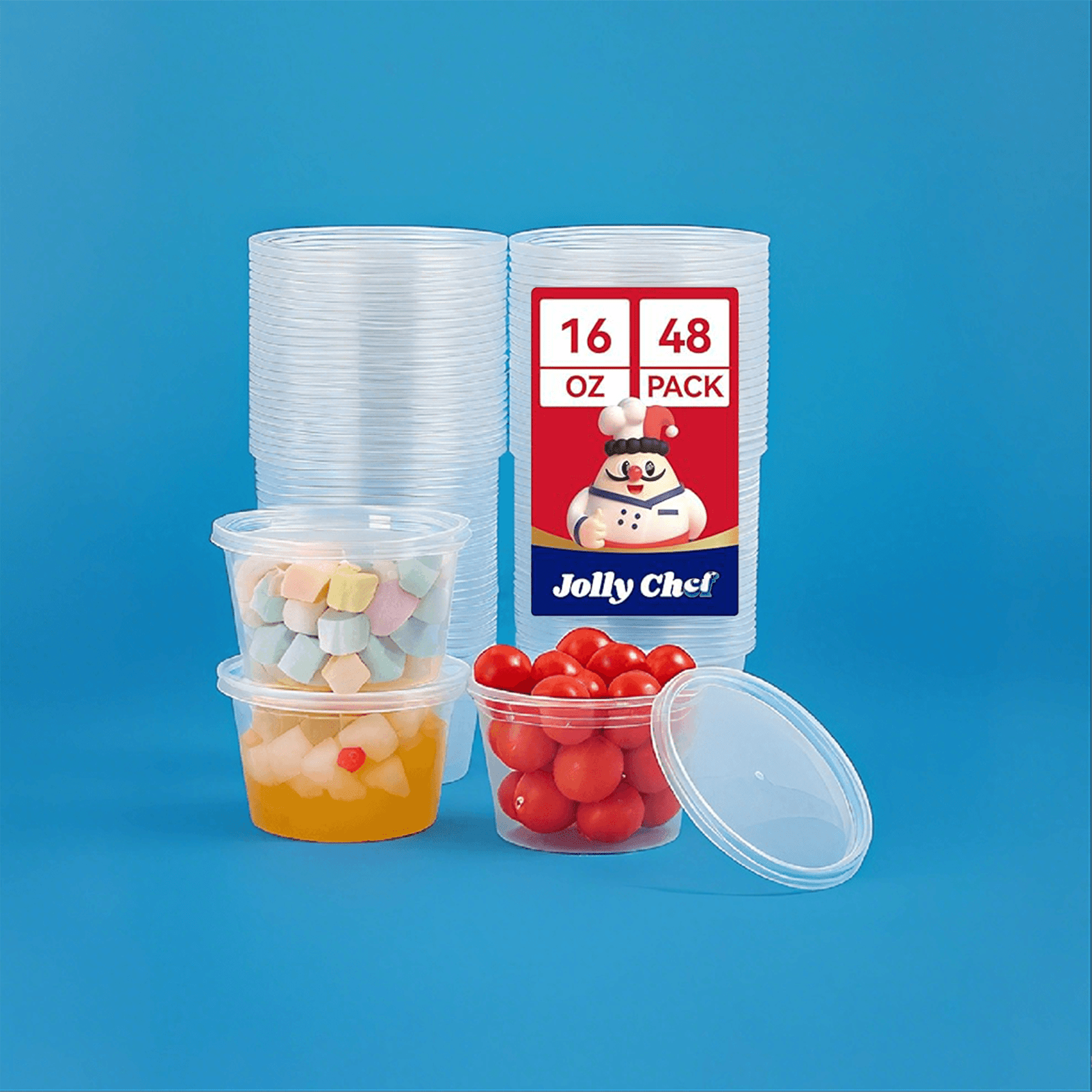
Wholesale food packaging encompasses the methods and materials used to package food products in bulk for distribution to retailers or food service establishments. It serves several crucial functions in the supply chain: protecting food from contamination, preserving freshness, and providing essential information to consumers. Furthermore, effective packaging can enhance brand visibility and appeal, making it an indispensable element of marketing strategy. For many businesses, investing in quality wholesale food packaging translates to reduced spoilage, lower transportation costs, and improved customer satisfaction. All of these factors combined can lead to higher sales and a more robust bottom line, making it imperative for companies to understand and prioritize their packaging choices.
Types of Food Packaging Materials
When it comes to wholesale food packaging, a variety of materials are available, each with its unique advantages and applications. The most common options include plastic, glass, metal, and biodegradable materials. Plastic is widely used due to its lightweight nature, flexibility, and cost-effectiveness. Glass, on the other hand, is favored for premium products because it is non-reactive and offers an upscale appearance. Metal packaging, particularly in the form of cans, is excellent for preserving food for extended periods. Lastly, biodegradable materials are gaining popularity as environmentally conscious consumers demand sustainable options. Each of these materials caters to different food types and market segments, making it essential for businesses to assess their specific needs and target audience when selecting packaging.
Comparative Analysis of Packaging Materials
Understanding the pros and cons of each food packaging material can guide businesses in their decision-making process. Plastic, while economical, raises concerns about environmental impact and recyclability. Glass is an excellent barrier to oxygen and moisture, preserving food quality but is heavier and more fragile, which can increase shipping costs. Metal provides durability and a long shelf-life; however, it may not be suitable for all food types due to potential reactions with certain ingredients. Biodegradable options, while appealing for their sustainability, can sometimes be less effective in preserving food freshness compared to traditional materials. Ultimately, the choice of packaging material should consider factors like cost, sustainability, and the specific requirements of the food being packaged.
Costs Involved in Wholesale Food Packaging
When evaluating wholesale food packaging, it is crucial to consider the various costs involved. Production costs can vary significantly based on the material selected; for instance, biodegradable materials may be more expensive to produce than plastic. Shipping costs also play a significant role; lighter packaging can reduce transportation expenses, making plastic a favorable option for many businesses. Additionally, there are storage costs to consider, as certain materials may require specific conditions to maintain their integrity. Businesses must strike a balance between selecting quality packaging that protects their products and managing costs effectively to ensure profitability. Engaging in thorough market research and comparing suppliers can help businesses find the best value.
Current Trends in the Food Packaging Industry
The food packaging industry is continuously evolving, shaped by consumer preferences and technological advancements. One of the most notable trends is the shift towards eco-friendly packaging solutions. Consumers are increasingly opting for brands that prioritize sustainability, prompting businesses to explore biodegradable, compostable, and recyclable materials. Innovative designs are also on the rise, with companies experimenting with packaging that enhances user experience, such as resealable pouches or easy-to-open containers. Furthermore, advancements in technology, such as smart packaging that can monitor freshness or provide information via QR codes, are transforming how food products are packaged and marketed. Staying abreast of these trends is essential for businesses looking to maintain competitiveness in the market.
Key Takeaways on Wholesale Food Packaging
In conclusion, wholesale food packaging is a multifaceted aspect of the food industry that deserves careful consideration. From understanding the importance of various materials to analyzing costs and recognizing industry trends, every aspect plays a pivotal role in a business's success. By choosing the right packaging solutions, companies can not only protect their products but also enhance their brand image and meet consumer demands. As you navigate your options in wholesale food packaging, remember the significance of aligning your choices with your business strategy and market trends. With informed decisions, you can elevate your brand and ensure that your food products reach consumers in optimal condition.