
The Perfect Glass Milk Bottle Every New Parent Can't Resist!
As new parents embark on the journey of caring for their newborns, the choices they make regarding feeding can significantly impact their baby's health and the environment. One increasingly popular choice is the glass milk bottle, which has gained traction among parents looking for safer and more sustainable options. Unlike plastic bottles, glass milk bottles do not leach harmful chemicals into the milk, ensuring that your little one only consumes safe, pure nutrition. Additionally, glass bottles excel in temperature retention, keeping milk warm longer, which can be a blessing during late-night feedings. They are also easy to clean and sterilize, providing peace of mind that your baby’s feeding gear is hygienic. As more parents recognize these advantages, the trend of opting for glass over plastic is likely to continue growing.
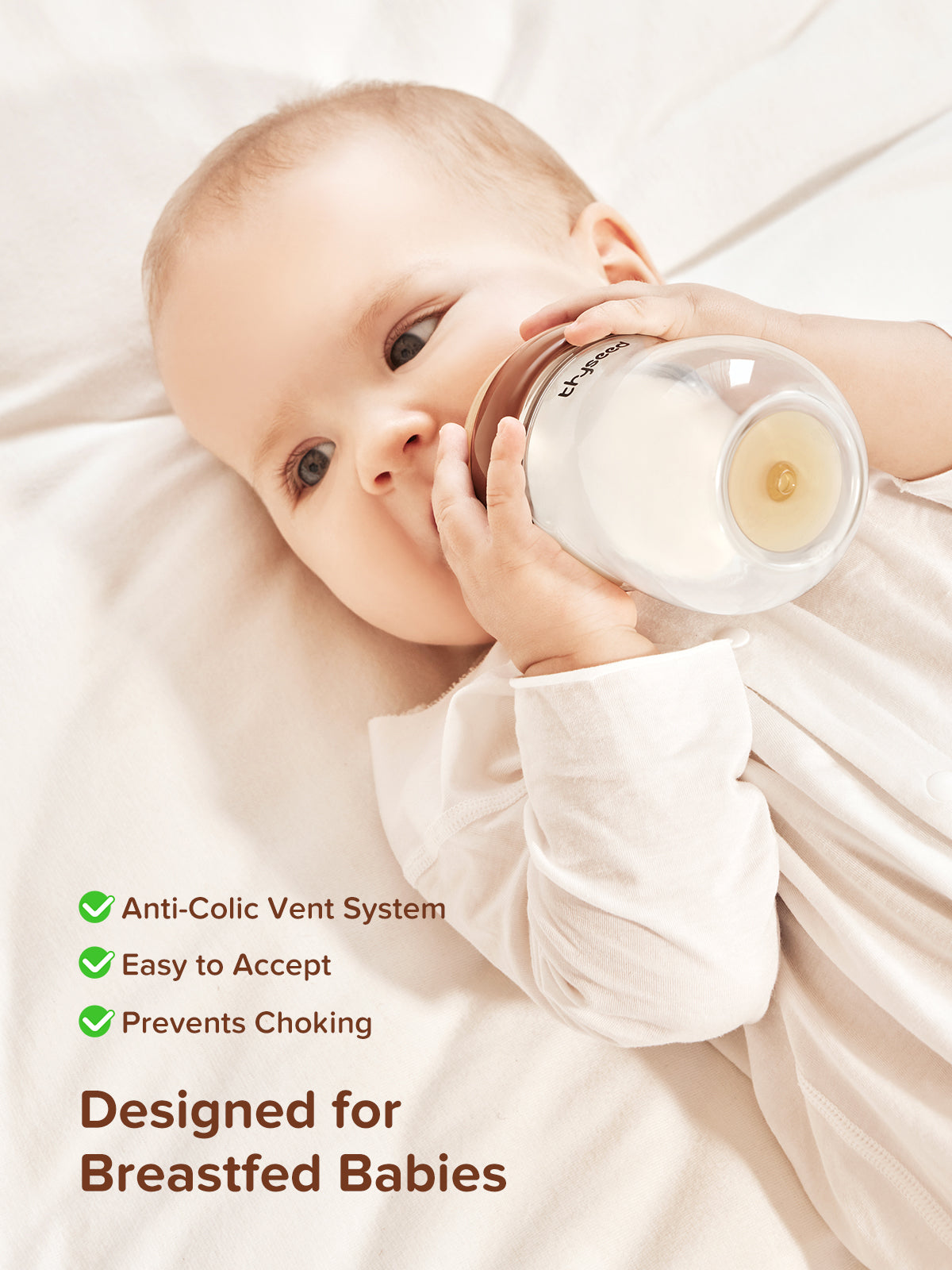
Benefits of Glass Milk Bottles for Newborns
Choosing glass milk bottles for newborns offers several compelling advantages. Firstly, health safety is paramount; glass bottles are free from BPA, phthalates, and other harmful chemicals that are often found in plastics. This means that parents can rest assured that no dangerous substances are leaching into their baby's milk, significantly reducing health risks associated with chemical exposure. Beyond health, glass milk bottles are environmentally friendly. They are reusable and recyclable, making them a sustainable choice that aligns with the growing awareness of environmental conservation. By choosing glass, parents are making a conscious decision to reduce waste and contribute positively to the planet's future. Furthermore, glass bottles are remarkably durable; while they may break if dropped, they can last for years if handled with care, making them a cost-effective option in the long run. These benefits not only enhance the feeding experience for newborns but also provide parents with the confidence that they are making the right choice for their family.
Features to Look for in a Glass Milk Bottle
When selecting the perfect glass milk bottle for your newborn, several essential features should be considered. The size of the bottle is crucial; parents should choose a bottle that fits comfortably in their hands and is easy for their baby to hold as they grow. The shape of the bottle also plays a role in how easy it is to clean and fill. Additionally, nipple flow options are important, as different babies have varying preferences for how fast or slow they like to drink. Some glass bottles come with interchangeable nipples that mimic breastfeeding, which can be particularly beneficial for newborns transitioning between breast and bottle. Compatibility with breast pumps is another feature to consider, especially for breastfeeding mothers who may want to pump and store milk for later use. By ensuring that the glass milk bottle meets these criteria, parents can select a product that best suits their feeding needs, enhancing their baby's overall experience.
Safety Considerations for Using Glass Bottles
While glass milk bottles offer many benefits, it's essential to follow safety tips to minimize risks associated with their use. One of the primary concerns is breakage; to prevent accidents, parents should handle glass bottles with care and consider using bottles that come with protective silicone sleeves. These sleeves not only provide a non-slip grip but also offer an extra layer of protection if the bottle is dropped. Proper cleaning and sterilization are also vital; parents should regularly inspect bottles for chips or cracks, which can compromise safety. When warming milk, avoid direct heat sources, and instead, use a bottle warmer or warm water baths to prevent thermal shock. Educating caregivers about safe handling practices is also important to ensure that everyone involved in the baby's care is aware of the best methods for using glass bottles. By taking these precautions, parents can confidently enjoy the advantages of glass milk bottles while ensuring their baby's safety.
How to Transition to Glass Bottles
Transitioning from plastic to glass bottles can be a smooth process with the right approach. To introduce glass bottles to newborns, start by incorporating them gradually into your feeding routine. Begin with one glass bottle per day, allowing your baby to become familiar with the feel and flow of the new bottle. If possible, choose a bottle with a nipple that closely resembles the mother’s breast to make the transition easier. It's also helpful to maintain a calm and reassuring environment during feedings, as this can help reduce any apprehension your baby may have about the new bottle. Addressing potential concerns is crucial; some parents worry about the weight of glass bottles compared to plastic ones. However, many find that the benefits outweigh any initial discomfort. Ultimately, patience and consistency are key. With time, your newborn will likely adapt to glass bottles, allowing you to enjoy their numerous benefits.
Making Informed Choices for Your Newborn's Feeding
In summary, glass milk bottles present new parents with a safe, environmentally friendly, and durable feeding option for their newborns. With their numerous benefits, including health safety, sustainability, and ease of use, it's no wonder that many parents are making the switch from plastic to glass. By considering essential features, adhering to safety practices, and following a thoughtful transition process, parents can confidently choose glass bottles that best suit their needs and preferences. Making informed choices is a cornerstone of effective parenting, and opting for glass milk bottles is a decision that supports both the health of your baby and the well-being of the planet.