

Unleash the Thrill: Discover the Ultimate Guide to Choosing Your Perfect RC Car!
Remote-controlled (RC) cars have captured the hearts of enthusiasts around the globe. From thrilling races on smooth asphalt to adventurous off-roading in rugged terrains, these miniature vehicles offer an exhilarating experience for hobbyists of all ages. Whether you're a competitive racer striving for speed or a casual collector admiring the craftsmanship, the RC car community is vibrant and welcoming. This article aims to guide you through the different types of RC cars, their unique features, and how to select the perfect model that fits your needs and lifestyle. Engaging in this hobby can be incredibly rewarding, as it not only fosters a sense of excitement but also builds camaraderie among fellow enthusiasts.
Understanding Different Types of RC Cars
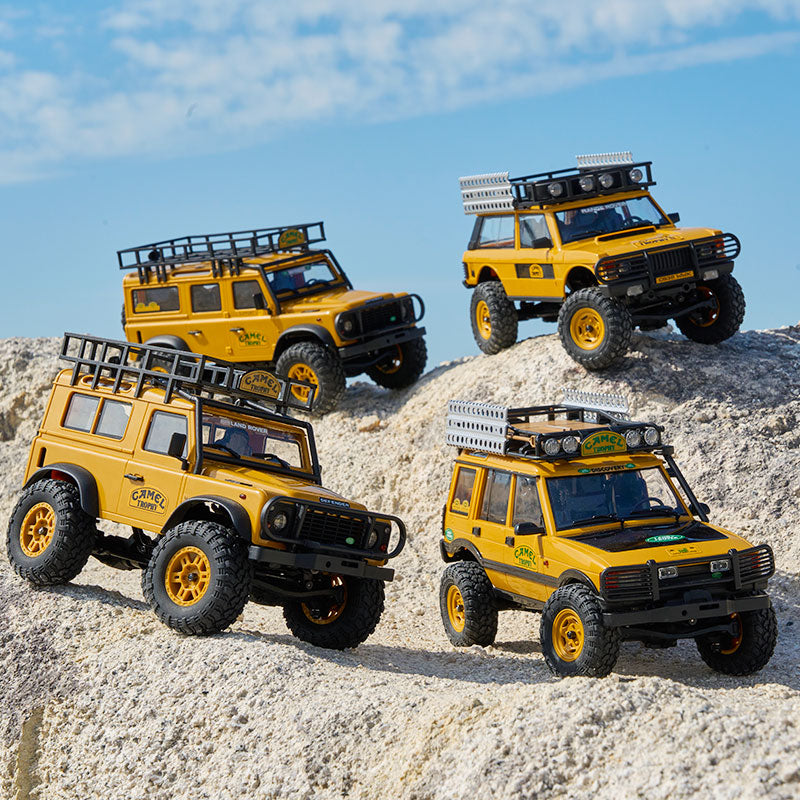
RC cars can be categorized into several types, each designed for specific conditions and types of play. Firstly, on-road RC cars are built for speed and smooth surfaces. They typically feature a sleek design and are optimized for racing on pavements or tracks. If you enjoy the thrill of speed and competition, on-road cars might be your ideal choice. On the other hand, off-road RC cars are designed for rough terrains, equipped with larger tires and stronger suspensions to handle various obstacles like rocks and dirt. These vehicles can traverse through grass, mud, and sand, making them perfect for adventurous outdoor play. Monster trucks, a subcategory of off-road vehicles, are characterized by their oversized wheels and robust build, allowing them to crush smaller objects and navigate rugged landscapes with ease.
Another exciting category is the rock crawlers, which are specifically designed for climbing over obstacles at low speeds. Their exceptional traction and articulation enable them to conquer challenging terrains. Each type of RC car caters to different preferences and environments, so understanding their distinct characteristics will help you make a more informed decision. For instance, if you enjoy racing on a smooth track, an on-road car would be suitable. However, if you prefer exploring off-beaten paths, an off-road vehicle or monster truck would be more fitting for your adventures.
Key Features to Consider When Choosing an RC Car
When selecting an RC car, several key features should be taken into account to ensure it meets your expectations. One of the primary considerations is the scale size of the vehicle. RC cars come in various scales, typically ranging from 1/10 to 1/18, affecting their size and maneuverability. A larger scale often means better visibility and stability, while smaller scales can be more portable and easier to handle. Battery life is another crucial aspect; electric RC cars utilize rechargeable batteries, and a longer battery life means more time enjoying your car before needing a recharge. If speed is a priority, consider the car's top speed and acceleration capabilities. Some models can reach impressive speeds, providing that adrenaline rush many enthusiasts seek.
Durability is also a significant factor, especially if you plan on racing or off-roading. Look for cars made with robust materials that can withstand crashes and rough usage. Lastly, the type of control you prefer—electric or nitro—will impact your overall experience. Electric cars are generally easier to operate and maintain, making them great for beginners, while nitro cars offer a more authentic experience with the excitement of fuel-powered engines. By considering these features, you can better understand how they influence performance and overall enjoyment, leading to a more fulfilling hobby.
How to Choose the Right RC Car for You
Choosing the right RC car involves several steps that align with your preferences, skill level, and intended use. Begin by assessing your budget, as RC cars can vary significantly in price. Once you have a budget in mind, think about your experience level. If you’re a beginner, it might be wise to start with an electric model that is user-friendly and requires less maintenance. For seasoned hobbyists, a nitro car or a more advanced electric model might be appealing due to the greater control and performance they offer.
Next, consider where you plan to operate your RC car. If you have ample outdoor space with varied terrain, an off-road vehicle could provide thrilling adventures. Conversely, if you’re limited to indoor spaces or smooth surfaces, an on-road car may be more suitable. Don’t forget to factor in the space you have for storage and transportation—some larger models can be cumbersome to move around. Lastly, it’s beneficial to consult with fellow enthusiasts or local hobby groups to gather insights and recommendations. Their experiences can provide valuable information that aids in making an informed decision, ensuring that your choice aligns with your passion for the hobby.
Maintenance and Upgrades
Maintenance plays a vital role in extending the lifespan and performance of your RC car. Regularly checking the battery, cleaning the chassis, and inspecting for any loose parts can prevent issues down the line. Additionally, you might want to consider upgrading certain components to enhance performance. Common upgrades include better tires for improved traction, more powerful batteries for longer run times, and tuning the suspension for better handling. These modifications can significantly elevate your driving experience, allowing you to customize your car based on your specific needs and preferences. As with any hobby, taking the time to care for and upgrade your RC car will lead to greater enjoyment and satisfaction.
Embarking on Your RC Car Adventure
In conclusion, the world of RC cars is as thrilling as it is diverse. From understanding the various types and their features to selecting the right vehicle that suits your needs, this guide aims to equip you with the knowledge necessary to embark on your RC car journey. The excitement of racing, the joy of off-roading, and the satisfaction of building a collection await you. Remember, making an informed choice not only enhances your enjoyment but also deepens your engagement with this captivating hobby. So, dive into the vibrant community of RC enthusiasts and discover the model that will bring you endless hours of fun!