

Unlock the Secrets of To-Go Boxes: The Ultimate Guide to Takeout Essentials!
In today's fast-paced world, the convenience of takeout has become a staple for many. Whether you're a busy professional, a student, or simply someone who enjoys a night off from cooking, to-go boxes are essential in ensuring your favorite meals are delivered safely and in style. These boxes not only protect your food during transit but also enhance the overall dining experience by providing a practical and appealing way to enjoy meals on the go. From casual lunches to elaborate dinners, understanding the various types and uses of to-go boxes can greatly improve the way you enjoy and share your meals. In this article, we will explore the different kinds of to-go boxes available, their applications, and tips for selecting the right one for your needs.
1. Understanding To-Go Boxes
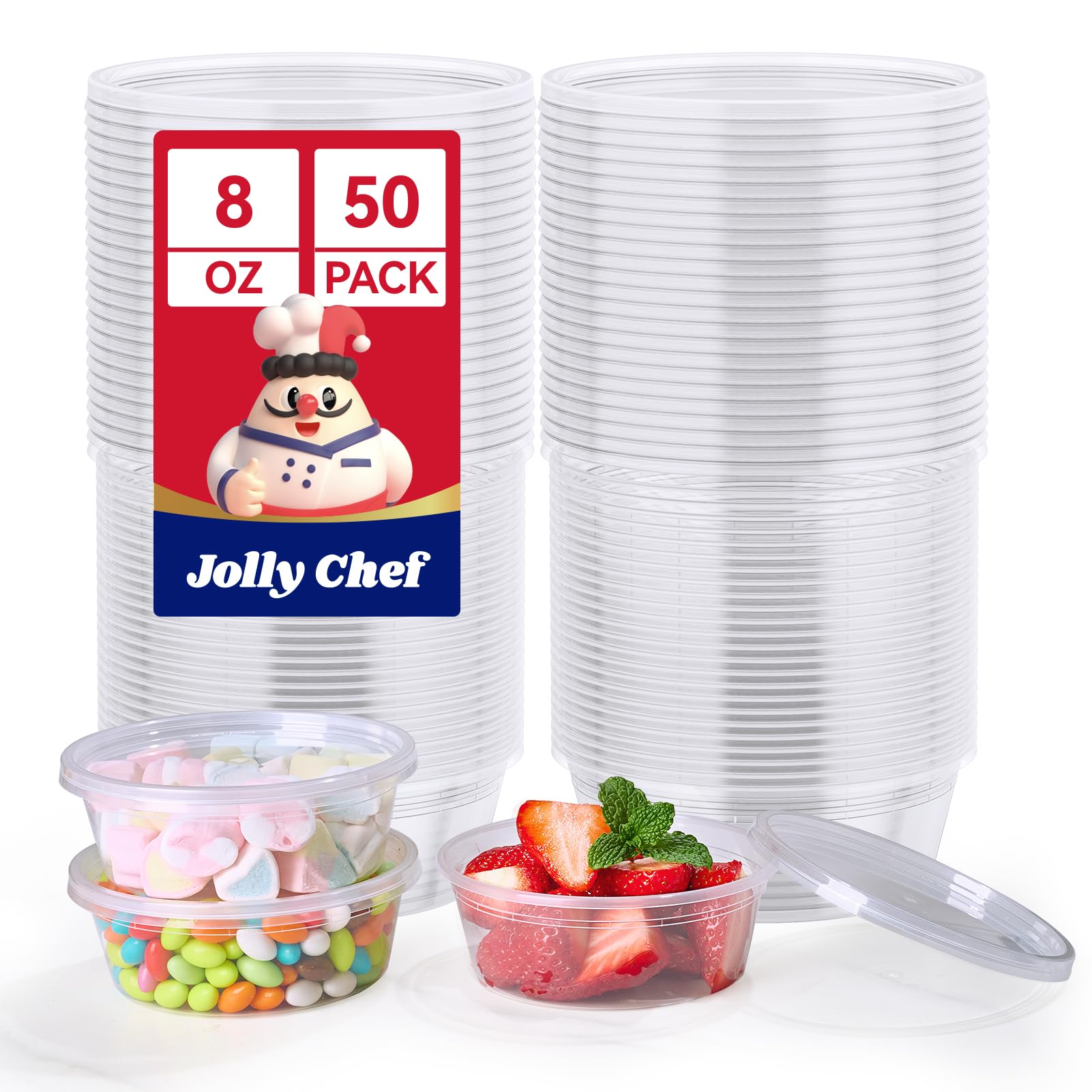
To-go boxes, often referred to as takeout containers, are specially designed packaging solutions that allow food to be transported from restaurants or cafes to customers' homes or other locations. Their primary purpose is to maintain the quality and temperature of the food while ensuring it is easy to handle and consume. With the growing demand for delivery and takeout services, these boxes have become crucial not just for convenience but also for food safety. They help in preserving flavors and textures, allowing customers to enjoy their meals just as if they were dining in. Moreover, the right to-go box can make a significant difference in customer satisfaction, impacting repeat business and overall brand loyalty.
2. Types of To-Go Boxes
When it comes to to-go boxes, the variety is extensive. Understanding the different types can help you make informed choices based on your culinary needs.
2.1. Material Types
To-go boxes come in several materials, each with its own advantages and disadvantages. Cardboard boxes are lightweight and recyclable, making them a popular choice for many restaurants, particularly for items like sandwiches and salads. However, they may not be suitable for hot or greasy foods as they can become soggy. Plastic containers, on the other hand, are durable and waterproof, making them ideal for soups and saucy dishes. While they offer excellent protection, concerns over environmental impact have led many consumers to seek out alternatives. Biodegradable options, such as those made from plant-based materials, have emerged as a sustainable choice. These boxes are compostable and keep food safe while minimizing environmental harm, although they may come at a higher cost.
2.2. Design Variations
The design of a to-go box is just as important as its material. Clamshell containers, for instance, are versatile and can be used for everything from burgers to salads, making them a favorite among fast-food establishments. Trays are often used for larger meals, especially in buffet-style settings, allowing diners to carry multiple items at once. Bowls are ideal for soups, salads, and pasta dishes, providing an easy way to enjoy meals without the risk of spillage. Each design serves a unique purpose, making it crucial to choose the right one based on the type of food being served.
2.3. Size and Capacity
Size matters when it comes to to-go boxes. The right capacity ensures that customers receive the appropriate portion without food waste or spillage. Smaller boxes work well for appetizers or side dishes, while larger containers are necessary for entrees or family-style meals. It's essential to assess the portion sizes of the meals you serve to select an appropriate box that meets customer expectations and enhances their takeout experience.
3. Uses of To-Go Boxes
To-go boxes serve multiple purposes across various cuisines and dining experiences. They are not just limited to restaurants; food trucks, catering services, and even home chefs utilize these containers to deliver meals efficiently. For instance, a friend of mine who runs a food truck finds that clear plastic containers are excellent for showcasing vibrant salads, enticing customers to choose healthy options. On special occasions, many catering services opt for elegant to-go boxes that elevate the dining experience, allowing guests to take home gourmet meals while maintaining presentation and quality.
4. Tips for Choosing the Right To-Go Box
When selecting the perfect to-go box, consider the type of food being served, customer preferences, and environmental impact. For hot, greasy foods, opt for sturdy, insulated boxes that can withstand heat without compromising integrity. If you're serving salads or items that require ventilation, choose boxes with perforated designs. Additionally, being mindful of customer preferences for sustainable packaging can enhance your brand's image, making eco-friendly options more appealing. Don't hesitate to experiment with different styles and materials to find the perfect match for your culinary offerings.
Enhancing the Takeout Experience with To-Go Boxes
To-go boxes are more than just containers; they are vital tools that enhance the takeout experience, ensuring that meals are delivered safely and appealingly. By understanding the different types and uses of to-go boxes, restaurant owners and home chefs alike can make informed choices that cater to their customers' needs while also considering environmental impact. As the demand for takeout continues to grow, the importance of selecting the right to-go box cannot be understated. So next time you plan a meal for takeout, take a moment to appreciate the packaging that makes it all possible!