
Discover the Allure of Floating Steel Stairs: Elevate Your Space with Style and Innovation!
Floating steel stairs have become a striking feature in modern architecture, blending functionality with aesthetic appeal in a way that transforms spaces. These innovative structures not only serve as a means to connect different levels but also act as a statement piece that draws the eye and elevates the overall design of a room. Their sleek lines and minimalist approach are perfect for contemporary settings and have garnered popularity among homeowners and architects alike. As we explore the intricacies of floating steel stairs, we will delve into their unique design elements, advantages, and various applications in construction and interior design, showcasing why they are a favored choice for those looking to enhance their living or working environments.
1. Design Features of Floating Steel Stairs
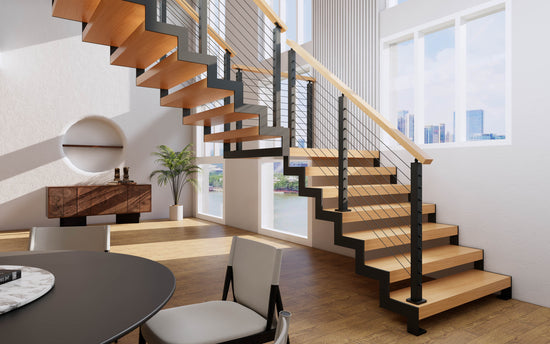
The design of floating steel stairs is characterized by their unique structural components and visual appeal. Unlike traditional staircases that rely on bulky supports, floating stairs are anchored to the wall or a hidden structure, giving the illusion that they are suspended in mid-air. This design not only creates a sense of openness but also allows for more natural light to flow through the space. Floating steel stairs can come in various shapes, including straight, spiral, and L-shaped, catering to the specific layout of a home or building. Additionally, they can be finished with a variety of materials such as wood, glass, or even concrete, further enhancing their aesthetic versatility.
1.1. Customization Options
One of the most appealing aspects of floating steel stairs is the wide range of customization options available. Homeowners can choose from different tread materials, including hardwood, metal, or glass, to match their personal style and the overall theme of their space. Railings can also be customized, with options ranging from sleek metal designs to more intricate glass balustrades. Furthermore, colors can be tailored to blend seamlessly with the existing décor or stand out as a bold statement piece. This level of customization ensures that each installation of floating steel stairs is unique and reflective of the owner's tastes, making it a truly personalized addition to any home.
2. Advantages of Floating Steel Stairs
Floating steel stairs come with numerous advantages that make them a popular choice among architects and homeowners. One of their primary benefits is their space-saving qualities; by eliminating bulky supports, they create a more open and airy feel in a room. Additionally, their innovative design allows for greater flexibility in placement, making them suitable for both small and large spaces. Durability is another significant advantage; steel is renowned for its strength and longevity, ensuring that floating stairs will withstand the test of time while maintaining their structural integrity. Beyond functionality, these stairs can dramatically enhance the aesthetics of a space, serving as a focal point that complements modern interior design.
2.1. Safety and Stability
While floating stairs may seem precarious, concerns about safety and stability can be effectively addressed through careful design and engineering. High-quality materials and expert installation are crucial to ensuring that these stairs are both safe and secure. Many floating steel stairs are designed with robust support systems that are hidden from view, maintaining the clean lines of the design while providing the necessary stability. Moreover, safety features such as non-slip treads and proper railing heights can be incorporated to further enhance user confidence when navigating the stairs.
3. Applications in Construction and Interior Design
Floating steel stairs are used in a wide array of settings, showcasing their versatility across different architectural styles. In residential homes, they can serve as stunning centerpieces in entryways or as elegant transitions between open-plan living spaces. In commercial environments, such as offices and retail spaces, floating stairs create a modern and inviting atmosphere that encourages movement between floors. Public buildings, like museums and galleries, often incorporate floating stairs to enhance the visitor experience, allowing for unobstructed views and a sense of openness. Their ability to adapt to various styles, from industrial chic to minimalist elegance, makes them a favored choice in contemporary design.
Summary of Floating Steel Stairs' Impact
Floating steel stairs represent a perfect blend of style, innovation, and functionality in modern architecture. From their customizable features to their numerous advantages, it is clear why they are becoming increasingly popular in both residential and commercial spaces. As we have explored, these stairs not only serve a practical purpose but also significantly enhance the aesthetic appeal of any environment. If you're considering a design upgrade or a new construction project, floating steel stairs could be the transformative element that elevates your space to new heights. Embrace the charm and functionality of floating steel stairs, and let your design reflect the beauty of contemporary architecture.