
Unlock the Secrets to Choosing the Perfect Stainless Steel Swage Stud Terminals for Your Next Project!
When embarking on construction or marine projects, the choice of materials can significantly impact the durability and safety of your build. One such critical component is the stainless steel swage stud terminal. These components play a vital role in tensioning and securing cables and rigging systems, ensuring that everything remains in place under various conditions. Selecting the right terminals is not just about functionality; it’s about ensuring longevity and safety in your projects. Whether you’re working on a towering building or a sleek yacht, understanding the nuances of stainless steel swage stud terminals can make all the difference in the world.
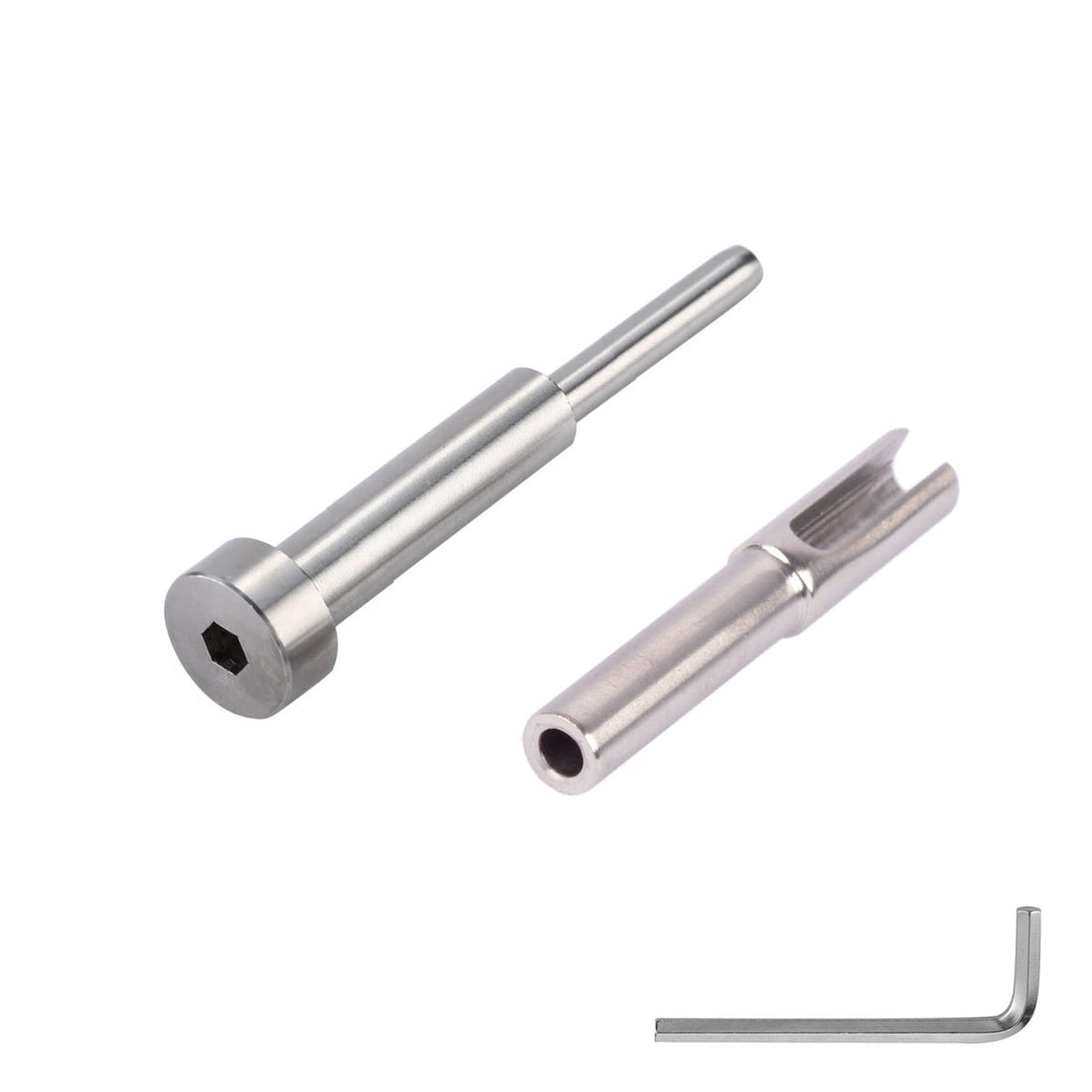
Understanding Stainless Steel Swage Stud Terminals
Stainless steel swage stud terminals are specialized fittings used primarily in rigging applications. They connect cables or wires to structural components, allowing for tension adjustments and secure anchoring. Commonly found in marine environments for securing sails and in construction settings for structural support, these terminals are celebrated for their strength and reliability. The use of stainless steel is particularly advantageous, as it offers exceptional resistance to corrosion, making it ideal for harsh environments where moisture and salt are prevalent. By opting for stainless steel, you are investing in a product that not only performs well but also stands the test of time, reducing the need for frequent replacements.
Key Factors to Consider When Choosing Swage Stud Terminals
Choosing the right swage stud terminal involves several critical factors that can affect the performance and longevity of your project. Material quality is paramount; different grades of stainless steel offer varying levels of strength and corrosion resistance. Load capacity is another crucial consideration, as it determines how much weight your terminal can handle safely. Lastly, environmental resistance plays a significant role, especially in marine applications, where exposure to saltwater can lead to rapid deterioration if the wrong materials are chosen. By carefully evaluating these factors, you can ensure that your swage stud terminals will meet the demands of your specific application.
Material Quality
The type of stainless steel used in swage stud terminals can significantly impact their performance. For instance, marine-grade stainless steel (like 316) offers superior corrosion resistance compared to standard grades (like 304), which might be sufficient for less demanding environments. A friend of mine, who does a lot of sailing, once shared how switching to 316-grade terminals drastically reduced maintenance issues on his boat, emphasizing the importance of selecting the right grade for the environment in which it will be used.
Load Capacity
Understanding the load capacity needed for your application is essential to avoid potential failures. It’s critical to calculate the expected loads and choose terminals rated for at least that capacity. This step is often overlooked, but a miscalculation can lead to catastrophic results. I once heard of a construction project where the wrong terminals were used, leading to a collapse that resulted in significant delays and costs. Always double-check load ratings and consult with professionals if unsure.
Environmental Resistance
Environmental factors can dramatically affect the performance of swage stud terminals. Exposure to harsh weather conditions, humidity, and corrosive elements like saltwater can lead to degradation over time. Therefore, it’s vital to select terminals that are designed to withstand these conditions. For instance, using terminals with protective coatings or higher-grade stainless steel can extend their lifespan significantly. A colleague of mine learned this the hard way when he used standard terminals on a coastal project, which rusted and failed within a year, highlighting the importance of environmental considerations.
Comparing Different Options
When comparing different swage stud terminals, it’s important to prioritize features based on your project needs. Look for terminals that offer the best combination of material quality, load capacity, and environmental resistance. Additionally, consider the installation process; some terminals are easier to install than others, which can save time and labor costs. It's also wise to check for additional features, such as adjustability and compatibility with existing rigging systems. By taking the time to compare these options, you can make an informed decision that aligns with your project’s requirements.
Final Thoughts on Selecting the Right Terminals
In conclusion, selecting the right stainless steel swage stud terminals is essential for ensuring the success of your construction or marine project. By understanding the various factors involved, such as material quality, load capacity, and environmental resistance, you can make an informed decision that guarantees safety and durability. Remember to consider your specific project needs and compare different options thoroughly. Investing time in this selection process will pay off in the long run, providing peace of mind and enhancing the overall quality of your work.