

Discover the Secret World of Outdoor Pizza Ovens: Unlock Deliciousness in Your Backyard!
Outdoor pizza ovens have surged in popularity, transforming the way we think about cooking at home. Gone are the days of relying solely on traditional ovens; now, enthusiasts can craft restaurant-quality pizzas in their backyards, bringing a taste of Italy to their outdoor gatherings. The joy of creating your own pizza from scratch, experimenting with toppings, and sharing the experience with friends and family is unparalleled. This article aims to explore the different types of outdoor pizza ovens available, highlighting their unique features and benefits that can elevate your cooking experience.
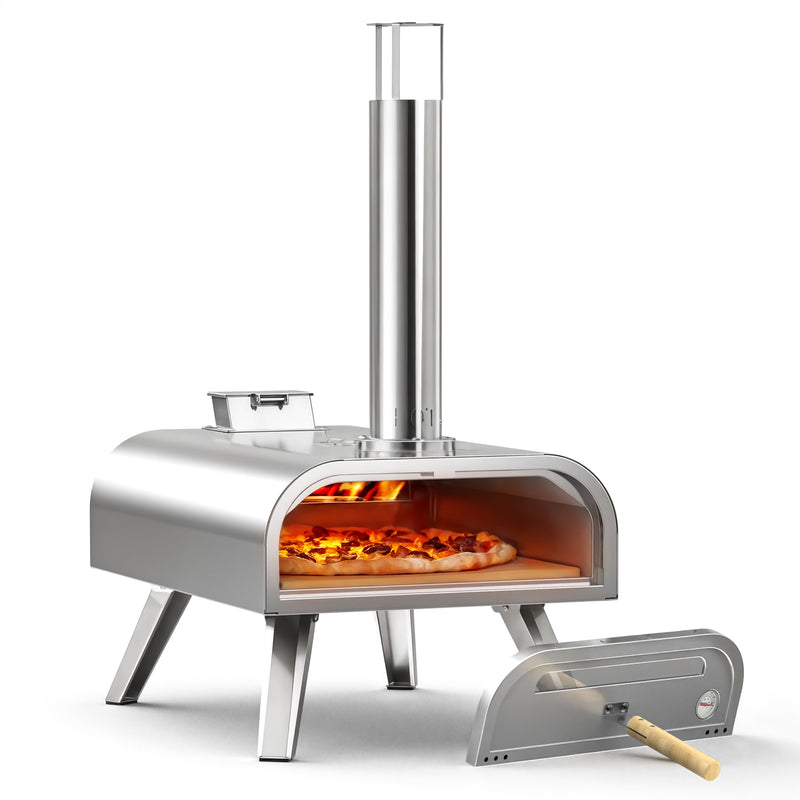
Types of Outdoor Pizza Ovens
When it comes to outdoor pizza ovens, there are three primary types to consider: wood-fired, gas, and electric. Each of these ovens offers a distinct approach to cooking, affecting both flavor and cooking style. Wood-fired ovens are known for their high temperatures and traditional cooking methods, imparting a smoky flavor that many pizza lovers crave. Gas ovens, on the other hand, are favored for their convenience and quick heating times, making them a practical choice for busy evenings. Lastly, electric pizza ovens are a fantastic option for those with limited space or who prefer an energy-efficient alternative. Let’s dive deeper into each type to understand their unique characteristics and benefits.
Wood-Fired Pizza Ovens
Wood-fired pizza ovens are the epitome of traditional pizza-making. Constructed from materials like brick or stone, these ovens are designed to reach extremely high temperatures, often exceeding 900°F (480°C). This intense heat is essential for achieving that perfect crust—crispy on the outside while remaining soft and chewy inside. The use of wood adds a distinctive flavor to the pizza, which many enthusiasts believe is unmatched by other cooking methods. The process of making a wood-fired pizza is an art; it requires attention to the fire and careful management of the heat. I remember a summer evening when my friend Alice invited us over for a pizza night. She had just gotten a wood-fired oven, and the aroma of her homemade margherita pizza, with fresh basil and gooey mozzarella, was simply unforgettable.
Gas Pizza Ovens
Gas pizza ovens bring a level of convenience that appeals to many home cooks. These ovens heat up quickly, often within 15 to 30 minutes, allowing for spontaneous pizza-making sessions. The temperature can be easily adjusted, making gas ovens suitable for various cooking styles, from crispy thin crusts to thicker, bread-like pizzas. Many gas ovens also come with features like built-in thermometers and pizza stones, enhancing the cooking experience. My neighbor, Tom, has a gas pizza oven that he raves about. He can whip up a pizza in no time, making it perfect for impromptu gatherings. The ease of use and quick setup make gas ovens a favorite among busy families and casual cooks alike.
Electric Pizza Ovens
For those with limited outdoor space or who prefer a simpler setup, electric pizza ovens offer a great solution. These compact appliances are easy to use and can be plugged in on a patio or balcony. While they may not reach the extreme temperatures of wood-fired ovens, many electric models still provide excellent results, producing pizzas with a delightful crust and evenly melted toppings. They are energy-efficient and often come with features like timers and temperature controls. My friend Sarah, who lives in a small apartment, swears by her electric pizza oven. It’s perfect for her, allowing her to enjoy homemade pizzas without the need for extensive outdoor space.
Key Features to Consider
When choosing an outdoor pizza oven, several key features can significantly influence your cooking experience. Size is crucial—consider how many pizzas you want to make at once and the space available in your yard. The material of the oven also affects heat retention and cooking efficiency; brick and stone are traditional choices for their ability to hold heat. Temperature range is another important factor, as higher temperatures lead to better crusts. Lastly, portability can be a deciding factor, especially if you plan to move the oven around or store it during the off-season. Each of these features will not only impact cooking performance but also enhance your overall satisfaction with the oven.
Using Your Outdoor Pizza Oven
To get the most out of your outdoor pizza oven, it's essential to understand how to use it effectively. Start by preheating your oven according to the manufacturer's instructions—this usually takes about 30 minutes. Cooking times will vary based on the type of oven and the thickness of your pizza crust, but most pizzas cook in around 8 to 15 minutes. Achieving that perfect crust requires a balance of heat and time; keep an eye on the pizza to prevent burning. Experiment with different toppings, but remember that less can be more—overloading your pizza can lead to sogginess. Additionally, always prioritize safety when using outdoor ovens. Ensure there’s a fire extinguisher nearby and practice regular maintenance to keep your oven in top shape for years to come.
Elevate Your Outdoor Cooking Experience
Outdoor pizza ovens offer a fantastic way to elevate your culinary skills and bring joy to your backyard gatherings. With options ranging from traditional wood-fired ovens to convenient gas and electric models, there’s an outdoor pizza oven for everyone. Each type has its unique benefits, and understanding these can help you make an informed choice that suits your cooking style. So, if you're ready to embark on a delicious journey of homemade pizza-making, explore your options today. With the right outdoor pizza oven, you’ll be well on your way to creating mouthwatering pizzas that will impress family and friends alike!