

Discover the Hidden Secrets of Guard Railings: What You Need to Know!
Guard railings are more than just functional barriers; they are essential components of safety in various environments, from residential homes to commercial buildings. These structures serve a dual purpose, offering protection while enhancing the aesthetic appeal of both indoor and outdoor spaces. Whether you're navigating the stairways of a bustling office or enjoying the view from a balcony, guard railings play a pivotal role in ensuring safety. In this article, we will explore the different types of guard railings available, their functions, and the regulations that govern their use, providing you with a comprehensive understanding of this vital aspect of design and safety.
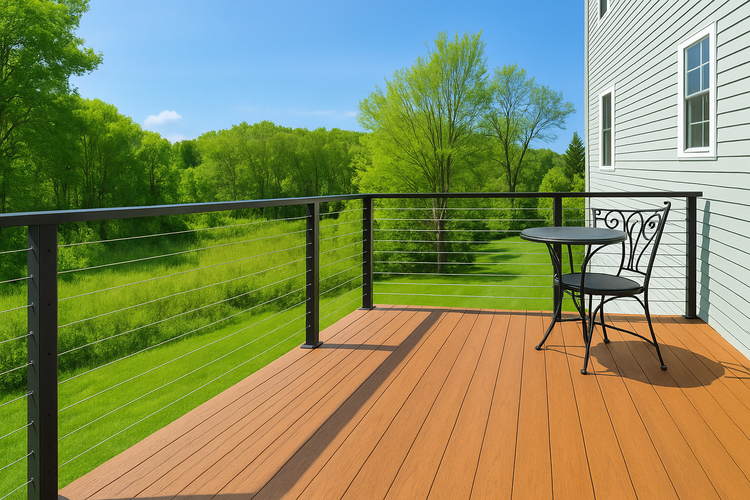
Understanding Guard Railings
Guard railings are protective barriers designed to prevent falls from elevated surfaces, such as balconies, staircases, and decks. They are typically constructed to be sturdy and reliable, ensuring that they can withstand significant force without compromising safety. Common features of guard railings include height specifications, strength requirements, and the use of materials that can endure environmental factors. The primary materials used in guard railing construction include wood, metal, glass, and composite materials, each offering different levels of durability and aesthetic appeal. Selecting the right material is crucial, as it not only impacts safety but also influences the overall design of a space.
Types of Guard Railings
Guard railings come in various types, each suited to different applications and preferences. Here’s a closer look at some of the most popular options:
- Wooden Guard Railings: Known for their natural beauty and warmth, wooden guard railings are often used in residential settings. They can be customized in various styles and finishes, making them a versatile choice for homeowners. However, they require regular maintenance to prevent weathering and decay.
- Metal Guard Railings: Typically made from materials like aluminum or wrought iron, metal guard railings are renowned for their strength and durability. They are often chosen for commercial buildings due to their ability to withstand heavy use and harsh conditions. Additionally, metal railings can be designed in sleek, modern styles that enhance contemporary architecture.
- Glass Guard Railings: Offering an unobstructed view while providing safety, glass guard railings are increasingly popular in modern homes and buildings. They create a sense of openness and elegance, though they require specific cleaning and maintenance to keep them clear and appealing.
- Composite Guard Railings: Made from a combination of wood fibers and plastic, composite guard railings offer the best of both worlds: the appearance of wood without the maintenance headaches. They are resistant to rot and insects, making them a long-lasting choice for outdoor settings.
Each type of guard railing has its unique aesthetic appeal and practical advantages, allowing homeowners and builders to choose the one that best aligns with their design vision and safety needs.
Functions and Benefits of Guard Railings
The primary function of guard railings is to provide safety by preventing falls from heights. However, their benefits extend beyond mere protection:
- Providing Safety and Preventing Falls: Guard railings are crucial in protecting individuals from accidents, especially in high-risk areas such as staircases and balconies. A sturdy railing can be the difference between a minor slip and a serious fall.
- Enhancing Architectural Aesthetics: Guard railings can significantly impact the overall design of a space. They can be crafted to match the architectural style of a building, adding elegance and charm while ensuring safety.
- Defining Spaces: In both outdoor and indoor environments, guard railings can help delineate areas, providing structure to open spaces. This is particularly useful in public venues or expansive residential properties.
Investing in well-constructed guard railings not only enhances safety but also contributes to the overall visual appeal and functionality of a space.
Regulations and Standards for Guard Railings
Guard railings are subject to various regulations and standards designed to ensure safety and compliance. These regulations can vary by region, but some common guidelines include:
- Height Requirements: Most regulations specify a minimum height for guard railings, typically ranging from 36 to 42 inches, depending on the application and local codes.
- Load Specifications: Guard railings must be designed to withstand a certain level of force, ensuring they do not collapse under pressure. This is particularly important in commercial settings where heavy foot traffic is expected.
- Safety Guidelines: Additional safety guidelines may dictate the spacing between vertical posts, the use of specific materials, and installation methods to enhance structural integrity.
Adhering to these regulations is not only a legal requirement but also a critical aspect of ensuring the safety of individuals using the space.
Key Takeaways on Guard Railings
In conclusion, guard railings are a vital element of safety and design in various environments. Understanding the different types of guard railings, their functions, and the regulations governing them can help homeowners and builders make informed decisions. Whether you're renovating your home or designing a new commercial space, considering these aspects will ensure that your guard railings not only provide essential safety but also enhance the beauty and functionality of your environment. Remember, a well-chosen guard railing is a blend of protection and style, making it an indispensable feature in any space.