
Transform Your Space: Discover the Secret World of Curtains and Blinds!
Window treatments play a crucial role in home decor, acting as both functional elements and decorative accents. Curtains and blinds not only enhance the aesthetics of a room but also provide essential benefits such as privacy and light control. Imagine a sun-drenched living room transformed into a cozy retreat with the simple pull of a curtain, or a bedroom that becomes a personal sanctuary with blackout blinds. As we explore the diverse world of curtains and blinds, we will uncover the unique features and benefits that each type offers, equipping you with the knowledge to make informed choices for your living spaces.
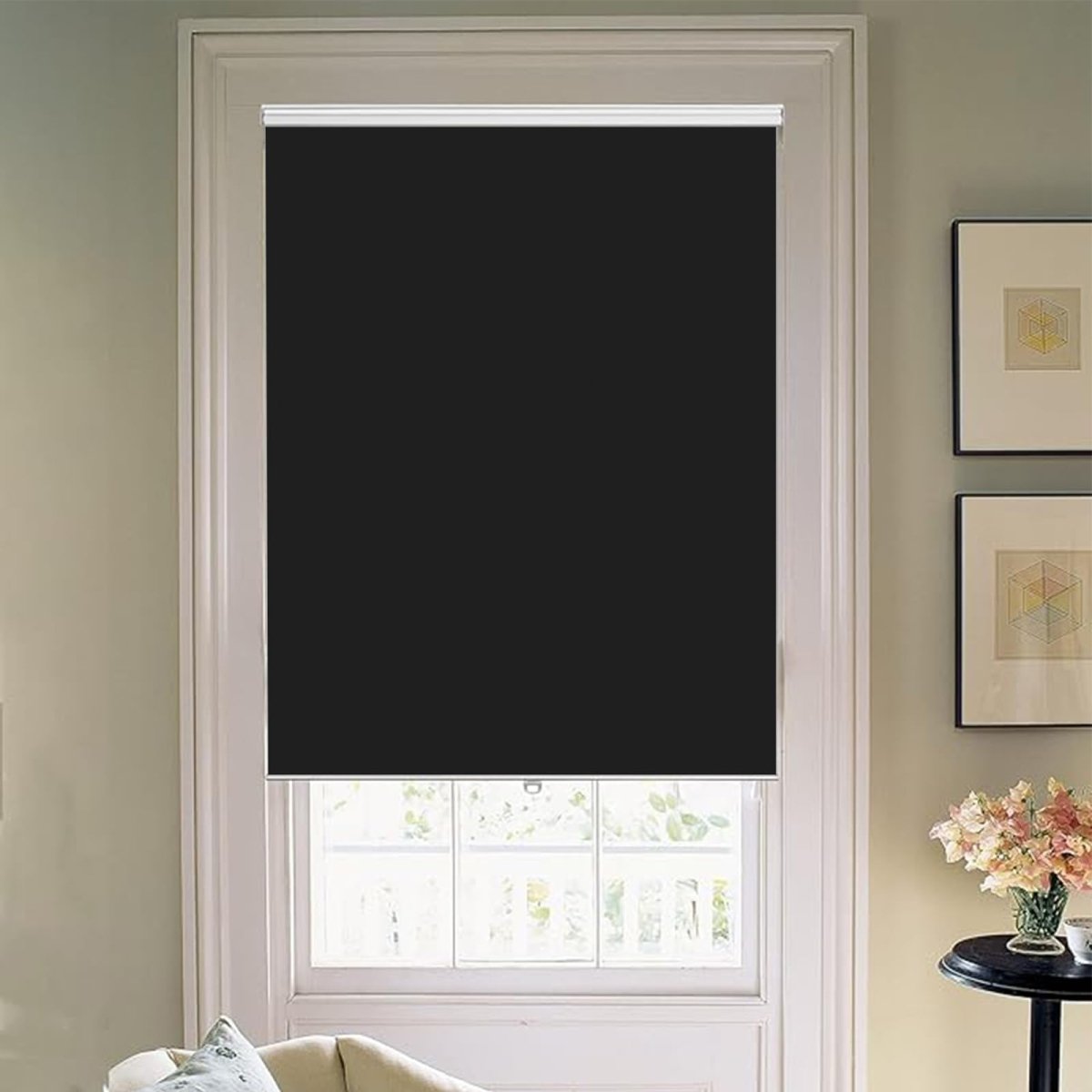
Types of Curtains and Blinds
The market for curtains and blinds is rich with options, each bringing its own flair and functionality to a space. Sheer curtains are perfect for those who desire an airy, light-filled room while maintaining a degree of privacy. They gently diffuse sunlight, creating a soft ambiance. On the other hand, blackout curtains are ideal for bedrooms or home theaters, blocking nearly all light and ensuring complete darkness when needed. Roller blinds offer a sleek and modern look, easily adjustable to various heights for optimal light control. Venetian blinds, characterized by their horizontal slats, provide excellent versatility in light management—allowing you to easily tilt the slats to your desired angle. There are also patterned curtains and blinds that can serve as bold statement pieces, adding personality and character to any space. With such a variety, there’s a suitable option for every room and personal style.
Features of Curtains and Blinds
When selecting the right window treatments, understanding their features can help you choose wisely. Material choices vary widely—from lightweight polyester and cotton to heavier fabrics like velvet and silk. Each material not only affects the aesthetic but also the insulation properties. For instance, thick drapes can keep drafts at bay during winter, while lighter fabrics allow for breezy summer airflow. Another important feature is light control; some options, like blackout curtains, are designed explicitly for light blockage, while sheer fabrics let in soft natural light. Maintenance is also key; many modern curtains and blinds are designed to be easy to clean, with machine-washable options or wipeable surfaces, making them practical for everyday living. Understanding these features ensures that your selections not only look good but also function well in your home.
Benefits of Using Curtains and Blinds
Incorporating curtains and blinds into your home design comes with numerous benefits that go beyond aesthetics. For instance, energy efficiency is a significant advantage; window treatments can help regulate indoor temperatures, reducing the need for heating or cooling. Noise reduction is another benefit—thicker fabrics can dampen sound, creating a quieter and more peaceful environment, especially in urban areas. Beyond the physical attributes, curtains and blinds can also have a psychological impact. The colors and textures used in your window treatments can influence mood and perception, making a room feel warmer or cooler, more inviting or more formal. This is particularly important in spaces where you spend a lot of time, such as living rooms or bedrooms. By selecting the right curtains and blinds, you can create an environment that reflects your personality while enhancing comfort and functionality.
Choosing the Right Curtains and Blinds for Your Space
Selecting the right window treatments can be a daunting task, but a few key considerations can simplify the process. First, assess the size of your room; larger spaces may benefit from floor-to-ceiling curtains that lend an illusion of height, while smaller rooms might look better with shorter, lighter treatments. Next, consider your decor style. For a contemporary room, sleek blinds may be more fitting, while traditional spaces might call for elegant drapes. Personal preferences also play a vital role; think about the atmosphere you want to create. Do you prefer an open, airy feel or a cozy, intimate one? Measuring your windows accurately is crucial to ensure a perfect fit, and don’t forget to take into account the natural lighting needs of each room. By blending these practical tips with your personal style, you can find the perfect window treatments that enhance your home's beauty and functionality.
Enhancing Your Home with Curtains and Blinds
In conclusion, curtains and blinds are not merely decorative elements; they are essential components of home design that can dramatically influence the ambiance and functionality of your living spaces. From the myriad types available to the unique features and benefits they offer, these window treatments can help you achieve the perfect balance of light control, privacy, and style. As you explore your options, remember to consider your individual preferences and the specific needs of each room. The right choice can transform your home into a sanctuary that reflects your personal style while providing comfort and efficiency.