
Unlock the Secret to Smarter Time Tracking with GPS Technology!
In today's fast-paced business environment, effective time tracking has become more crucial than ever. Employers are constantly seeking ways to enhance productivity and ensure that every minute spent on the clock contributes to the bottom line. Enter technology: specifically, GPS-enabled employee time clock systems. These innovative solutions not only streamline the process of tracking employee hours but also add a layer of accountability and accuracy that traditional systems lack. As businesses adapt to remote work and flexible schedules, the integration of GPS technology in time management tools is transforming how companies operate. In this article, we will explore the ins and outs of employee time clock systems with GPS tracking features and how they can revolutionize your workplace.
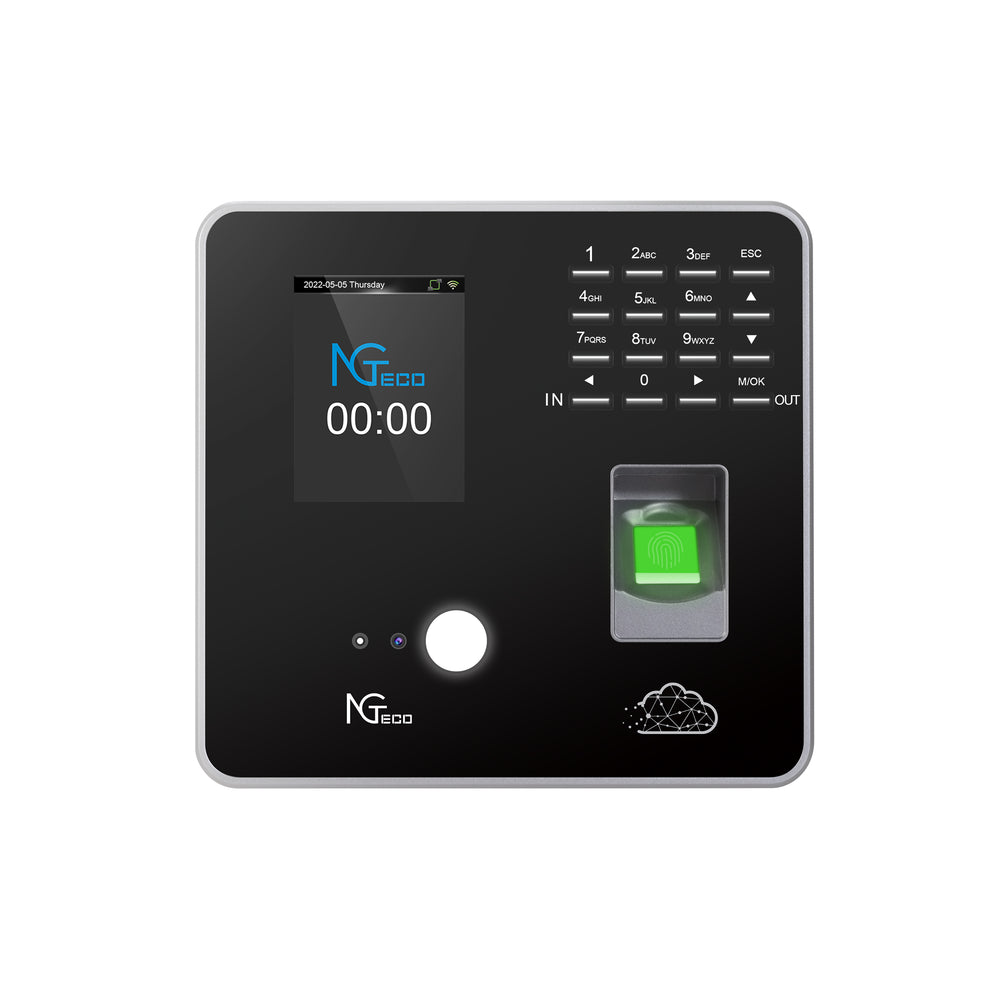
Understanding Employee Time Clock Systems
An employee time clock system is a tool that enables organizations to record the hours worked by their staff. Traditionally, these systems involved physical punch cards or manual entry, which were often prone to errors and manipulation. However, as technology has evolved, so too have these systems. Today, many businesses are turning to digital solutions that incorporate GPS features, allowing for real-time tracking of employee locations and hours worked. This evolution has made it easier for businesses to manage remote teams effectively, ensuring that all employees are accurately compensated for their time, regardless of where they are working from. Additionally, GPS-enabled systems offer insights into employee behavior, helping managers identify patterns and improve overall efficiency.
The Benefits of GPS Tracking in Time Management
Integrating GPS tracking into employee time clocks presents numerous advantages. First and foremost, accuracy is significantly improved. GPS technology minimizes the risk of time theft, whether intentional or accidental, ensuring that employees are only paid for the hours they actually work. This level of accountability fosters a culture of trust within the workplace, as employees know they are being monitored fairly. Furthermore, GPS tracking can enhance productivity, especially in remote work scenarios, as it allows managers to view their teams' locations in real time. This capability is particularly useful for businesses with mobile employees, such as those in construction or field service industries, as it simplifies scheduling and resource allocation. A few friends of mine who run small businesses have shared how implementing GPS-enabled time clocks has drastically reduced the time spent on payroll management, letting them focus on growing their companies.
Key Features to Look for in GPS Employee Time Clocks
When selecting a GPS-enabled employee time clock system, several key features should be prioritized to ensure you choose the right fit for your business. User-friendliness is essential; the system should be intuitive for both management and employees to navigate easily. Mobile accessibility is another crucial feature, allowing employees to clock in and out from their smartphones, making it particularly beneficial for remote and on-the-go workers. Real-time tracking capabilities are vital, as they enable managers to monitor attendance and location instantaneously. Additionally, consider systems that offer geofencing capabilities, which can alert you when employees enter or leave designated work areas. Finally, ensure that the system integrates well with existing payroll and HR software to streamline processes and reduce administrative burdens.
How to Choose the Right GPS Employee Time Clock System
Choosing the right GPS employee time clock system involves a thoughtful evaluation process. Start by assessing your business size and structure; a smaller company may not need the same level of complexity as a larger organization. Next, consider the specific needs of your employees. For instance, if a significant portion of your workforce is remote, look for systems that excel in mobile accessibility and real-time tracking. Budget is another critical factor; while investing in a quality system can yield long-term benefits, it's essential to find a solution that aligns with your financial constraints. Don't forget to read reviews and seek recommendations from other businesses in your industry. Testing out demos can also provide valuable insight into which system best fits your operational needs.
Enhancing Workplace Efficiency Through GPS Technology
In conclusion, the integration of GPS technology into employee time tracking systems represents a significant advancement in workplace management. By enhancing accuracy, accountability, and productivity, these tools are transforming how businesses operate, especially in an increasingly remote work environment. As we've discussed, selecting the right GPS-enabled time clock system requires careful consideration of your business needs, employee dynamics, and budget. By embracing this technology, companies can not only improve their time management practices but also foster a more efficient and trustworthy workplace. As you explore your options for GPS-enabled time clock systems, remember that investing in the right technology can pave the way for greater efficiency and success in your organization.