
Unlocking the Secrets: Why Dried Dog Food Could Be Your Best Choice for a Happy, Healthy Pup!
In recent years, dried dog food has gained immense popularity among pet owners, becoming a staple in many households. With the rising awareness of pet nutrition, more dog owners are recognizing the significance of providing their furry friends with balanced diets. Proper nutrition is essential for maintaining a dog’s health, energy levels, and overall happiness. Dried dog food, often praised for its convenience and nutritional value, plays a crucial role in ensuring that dogs receive the right blend of nutrients they need to thrive. This article aims to explore the benefits, ingredients, and nutritional value of dried dog food, helping you make an informed decision for your beloved pet.
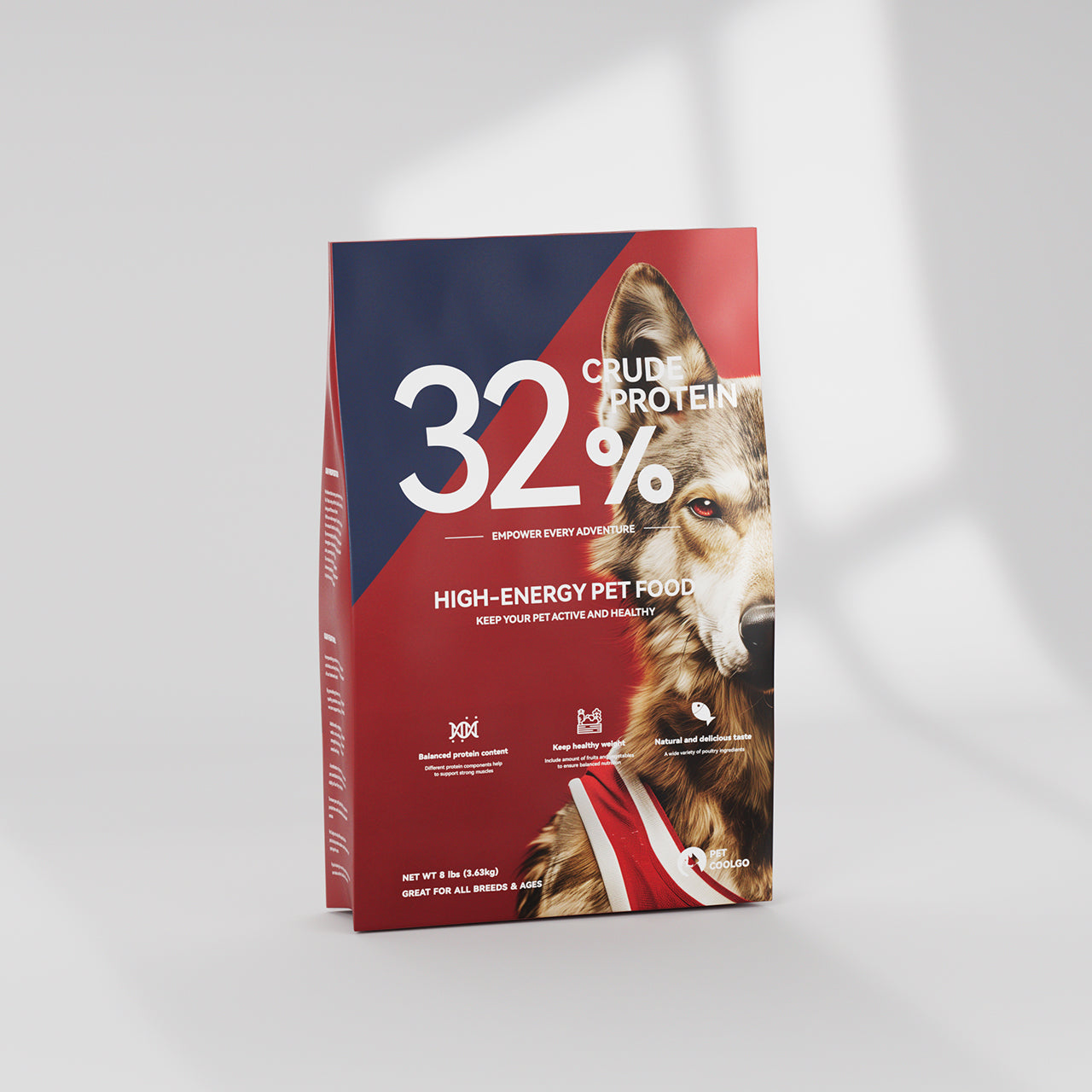
The Benefits of Dried Dog Food
Dried dog food, also known as kibble, offers several advantages that make it an appealing choice for pet owners. One of the primary benefits is its ease of storage; dried dog food can be kept in a cool, dry place without the need for refrigeration. This convenience is particularly advantageous for busy pet owners who may not have the time to prepare fresh meals daily. Additionally, dried dog food has a longer shelf life compared to wet or raw food, reducing the chances of spoilage and waste.
Another significant advantage of dried dog food is its ability to support dental health. The crunchy texture of kibble can help reduce plaque and tartar buildup on dogs' teeth, promoting better oral hygiene. Moreover, many dried dog food brands are formulated to provide a balanced diet, ensuring that dogs receive essential nutrients such as proteins, vitamins, and minerals. This balance is crucial for maintaining a dog's overall health, energy levels, and weight. Personal experiences from friends who switched to dried dog food highlight how their dogs not only enjoy the taste but also exhibit improved vitality and well-being.
Understanding Ingredients in Dried Dog Food
When it comes to dried dog food, understanding the ingredients is key to ensuring your pet receives the best nutrition. Common ingredients found in high-quality dried dog food include proteins such as chicken, beef, or fish, which are vital for muscle development and overall health. Carbohydrates, often sourced from grains or vegetables, provide energy and support digestion. Fats, such as omega fatty acids, contribute to a healthy coat and skin, while vitamins and minerals play essential roles in various bodily functions.
It's important to look for a balanced blend of these ingredients to meet your dog’s nutritional needs. For instance, proteins should be the primary ingredient, followed by wholesome carbohydrates and healthy fats. Additionally, many dried dog foods contain added vitamins and minerals to ensure a well-rounded diet. A friend of mine recently shared how she became more aware of ingredient sourcing after switching to dried dog food, ensuring her dog gets high-quality nutrients without any fillers or artificial additives.
Nutritional Value of Dried Dog Food
The nutritional value of dried dog food is designed to meet the dietary requirements of various dog breeds and life stages. Puppies, adults, and senior dogs all have different nutritional needs, and high-quality dried dog food formulations take these differences into account. For instance, puppy formulas are often enriched with additional protein and calories to support healthy growth and development, whereas senior formulas might focus on lower calories and joint support.
Moreover, the role of balance and variety in a dog’s diet cannot be overstated. While dried dog food can provide a complete nutritional profile, some pet owners opt to complement it with fresh fruits, vegetables, or even occasional treats to enhance their dog's meals. It's essential to monitor your dog's response to their diet and adjust accordingly. A personal anecdote from a fellow dog owner illustrates this perfectly; after integrating some fresh veggies into his dog's kibble, he noticed a significant boost in his pet’s energy and enthusiasm during playtime.
Choosing the Right Dried Dog Food
Selecting high-quality dried dog food involves a few key considerations. First, always read the labels carefully; look for specific ingredients rather than vague terms like “meat by-products.” Understanding nutritional information is also crucial—look for foods that provide a balanced ratio of proteins, fats, and carbohydrates tailored to your dog's age, size, and activity level.
Consulting with veterinarians can provide valuable insights into your dog's specific needs, especially if they have health conditions or dietary restrictions. Many pet owners find that their dogs thrive on tailored diets, which can vary significantly based on individual preferences and health status. A friend of mine swears by consulting her vet before trying new dried dog foods, ensuring her dog’s unique needs are always met. This approach not only reassures her but also results in a happy and healthy pup!
Final Thoughts on Dried Dog Food Benefits
In conclusion, dried dog food offers numerous benefits, from convenience and storage ease to supporting dental health and providing balanced nutrition. Understanding the ingredients and nutritional value can help pet owners make informed choices that cater to their dogs' specific needs. By carefully selecting high-quality dried dog food and consulting with professionals, you can ensure that your furry friend enjoys a happy, healthy life. Consider dried dog food not just as a meal option, but as a vital component of your dog's overall well-being, paving the way for a joyful and active lifestyle.